

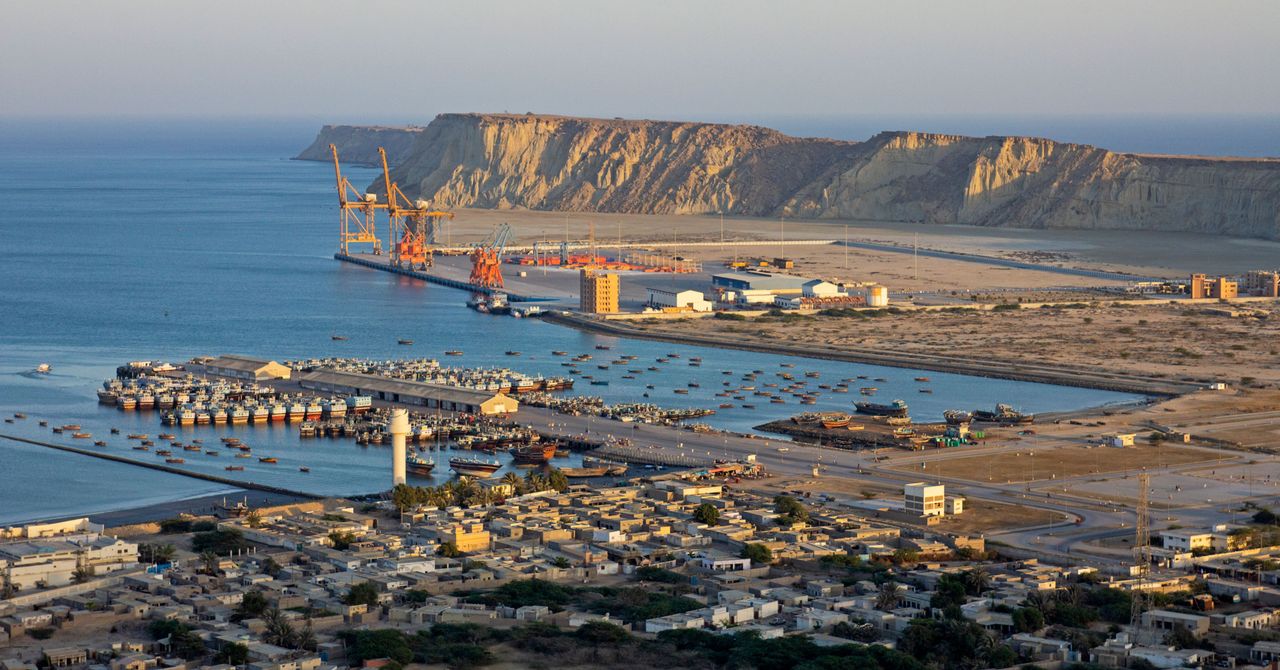
On a typical day, the Strait of Hormuz off the Persian Gulf is one of the busiest shipping choke points on Planet Earth. Some hundred vessels pass through the waterway, located between Iran, Oman, and the United Arab Emirates. Half are oil tankers carrying every fifth barrel in the world, the other half container ships with manufactured goods, bulk carriers hauling raw materials like grain and metals, and specialized vessels carrying other products like gas.
But not right now. The Iran war, instigated by the US and Israel, has dragged in nearly every Middle Eastern nation, bringing the Strait of Hormuz to a trading standstill. A small handful of ships have traveled through in the past few days, as Iranian attacks on cargo ships and American strikes on Iran’s minelayer vessels escalate.
The repercussions extend well beyond the thin waterway, especially if the conflict drags on for several more weeks, logistics and shipping experts say. In the long run, the conflict could lead not only to higher prices at the gas pump—something Californians and truck drivers are already experiencing—but also higher prices on store shelves.
The dynamics, though, are both complicated and murky. The Middle East accounts for a small fraction of the global supply chain network, and more than three-quarters of goods exported from the area are what industry insiders call “Tier 3 suppliers,” according to data collected by Marsh, an insurance broking and risk management firm. These are further down the chain, providing mostly raw materials to suppliers who form those materials into widgets. Those suppliers send those widgets to another supplier further up the chain, who then combines them to create components. Another supplier, one level up, combines the components to create a finished product.
For that reason, the materials failing to come out of the Middle East right now are not generally products consumers will recognize from the shelves at Target or Walmart. Top exports include certain chemicals (including sulfur, used to make fertilizer), plastics, precision instruments, machinery, electrical parts, aluminum, and electronic components, including transistors and diodes, Marsh reports. Fertilizer holdups could be especially damaging for farmers (and eventually, eaters) in the northern hemisphere as the growing season gets underway.
These products being further down the supply chain could give the global market more time to plan for turmoil, says James Crask, who heads the global supply chain practice at Marsh. Many producers are likely rerouting their goods around Africa, or working to find other suppliers who can help them get their finished products into global markets.
Still, combine these constraints with the global effects of the Trump administration’s erratic tariff regime, and you’ve got a recipe for outsized disruption—and possibly, price hikes. “Having a market that is constrained from shipping goods in a really quite vulnerable supply chain network means at best we’re going to see price pressure,” he says.
The situation could get worse for global pocketbooks if the conflict continues to expand outward. Turkey, for example, produces automotive parts and apparel, and disturbances there could bring supply chain snarls into new industries.
A conflict that extends beyond six weeks could have wider global economic effects, analysts with the insurance firm Allianz Trade wrote last week in a research note. In the short term, the firm found, higher oil prices lead to slightly higher inflation rates—and tighter-feeling wallets.
Read the full article here