


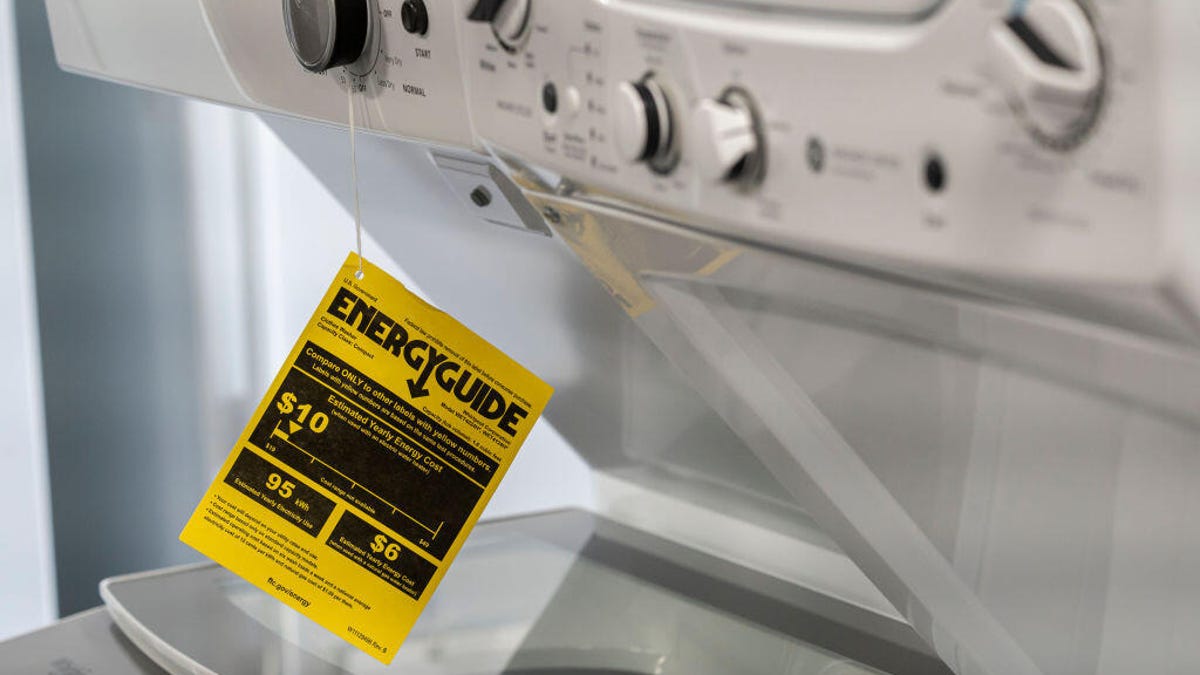
If you’ve ever thought that your home appliances were being held back by rules limiting the energy they could use, the US Department of Energy agrees. Energy Secretary Chris Wright announced on Thursday that the DOE has issued a Notice of Proposed Rulemaking to “permanently end home appliance and equipment mandates.”
Wright said the goal is to lower costs and preserve consumer choice. The move is part of the Trump administration’s broader deregulatory push, which has labeled the Biden administration’s energy policies the “Green New Scam.”
A NOPR is a formal step in the federal rulemaking process in which an agency proposes creating, revising or repealing a regulation and solicits public feedback. It’s unclear whether the DOE intends to revise how the congressionally mandated Appliance and Equipment Standards Program operates or if it intends to eliminate the program.
The proposed rule would change the testing procedures and processes used by the DOE to develop its energy conservation policies. The move would add extra barriers, making it harder to update these standards in the future.
The NOPR says that the potential changes are meant to “promote market competition” and “safeguard the American people’s freedom to choose from a variety of goods and appliances,” listing light bulbs, dishwashers, washing machines, gas stoves, water heaters, toilets and shower heads as examples of the household items that would be affected.
“For too long, the American people paid the price for mandates that restricted consumer choice and drove up costs,” Wright said in a statement. “President Trump promised to end this nonsense and that is exactly what we are doing. This proposed rule will preserve the American people’s ability to choose home appliances and equipment that actually work — at prices they can afford. It’s called common sense.”
This isn’t the first time the Trump administration has gone after energy efficiency regulations. Previously, the government’s attempt to shut down the Energy Star program, which officially certifies energy-saving appliances that help to save consumers money in the long run, failed. In June, Trump successfully ended a rebate program that promoted switching from gas to electric appliances.
According to a recent analysis by the nonprofit Appliance Standards Awareness Project, the energy savings on the proverbial chopping block include annual average savings of $160 on household utility bills and $15 billion in annual operating costs for businesses over a two-decade period.
“Efficiency standards are a proven policy for lowering Americans’ energy bills, but this would create hurdles designed to make updating them more difficult,” Andrew deLaski, ASAP’s executive director, said in a statement. “We have products that keep getting more efficient, and we need to embrace these technology advances, not reject them, especially as data centers strain our electric grid.”
Read the full article here