

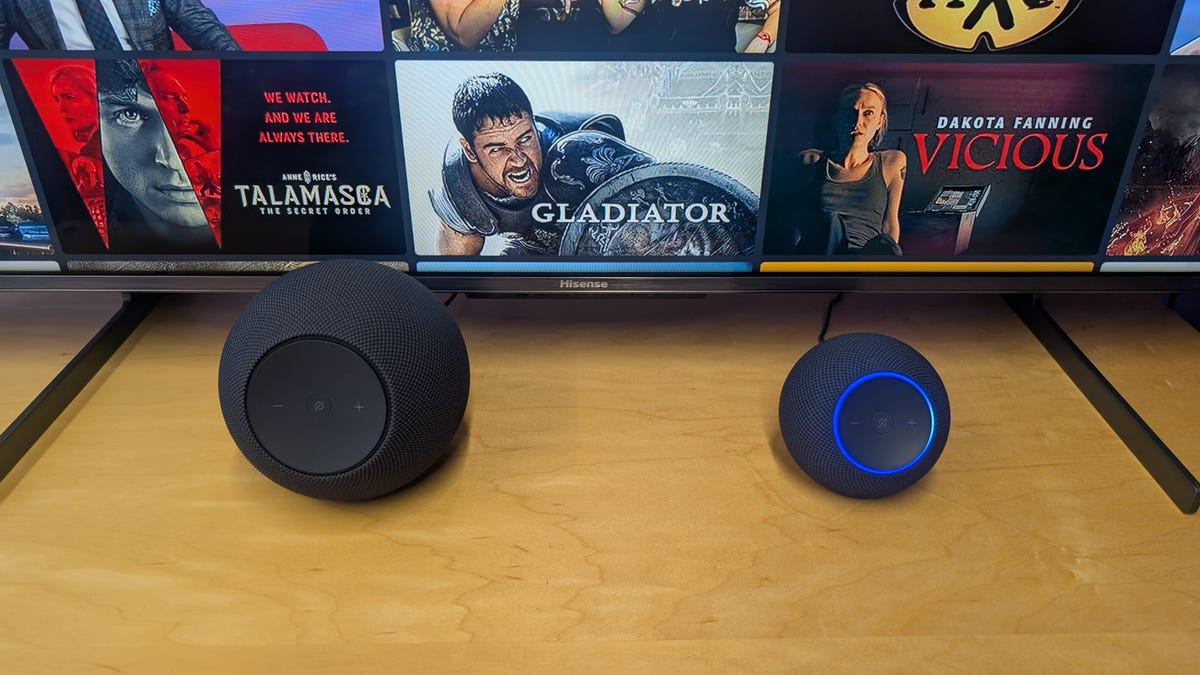
I’m a fan of Echo speakers and smart displays. I use them regularly in my own home to manage tasks as well as entertainment. But that doesn’t mean I like all their settings, especially certain Alexa voice assistant features that are enabled by default when you first turn your Echo on. That’s even more important to keep in mind now that the more advanced Alexa Plus AI is rolling out with new capabilities.
To avoid common irritations as well as privacy concerns, I recommend heading into the Alexa app and making some changes once you’re set up. Take a look at these features and how to turn them off for a smoother, less intrusive experience.
Turn off Hunches and Things to Try from Alexa
Amazon’s Alexa doesn’t talk much, but certain settings make it speak up after conversations are done or without the wake word. The first is “Hunches,” or suggestions on how to use connected devices. Sometimes these suggestions are helpful — for instance, offering to lock your door at night or suggesting a new way to use timers, but they can also be annoying and disruptive. Fortunately, you can shut them down.
In the Alexa app, visit the hamburger-line More/Menu icon at the bottom to open the larger menu. The head to Settings > Hunches > the Hunches Settings gear icon in the upper right > Notifications. Here you’ll find options to disable Hunches entirely.
Alexa also pipes up about other opportunities, notably, Things to Try. That’s also annoying, but it’s equally easy to deal with. Head back to Settings > Things to Try and disable the function here.
You can try to disable these settings by giving voice commands, such as, “Alexa, disable Hunches.”But I’ve found this method to be hit or miss, even if Alexa agrees to do it, so if you keep hearing suggestions, try the manual way.
Stop Amazon from saving voice recordings
By default, Amazon opts you into its program using voice recordings for research purposes. If that makes you uncomfortable, you can control certain aspects of data collection, like how long Amazon holds onto recordings.
In the Alexa app, go to More > Alexa Privacy > Manage Your Alexa Data > Voice Recordings and Transcripts. Here you’ll find a Don’t Retain option, which means voice recordings are immediately discarded after being processed.
This section is also worth exploring for related options, such as interest-based ads, if you’d rather list your interests than allow ad targeting.
These options recently changed a lot, which is why you may see earlier advice on how to stop sending voice data to Amazon, period. That’s no longer possible: When Alexa Plus was announced in early 2025, Amazon added a change to Echo devices that requires them to send voice data over the cloud to analyze, presumably to help train the new Alexa AI. That doesn’t mean humans will listen to your recordings, since that’s typically done via algorithm, but it’s something worth knowing.
Control privacy and access settings for Skills
While you’re browsing the Alexa Privacy page, take a moment to check the Manage Skill Permissions menu. It shows which skills (Amazon’s name for apps and features) can access everything from your address and contact info to your Amazon Prime payment details.
Many permissions are off by default, but it’s worth checking every so often which skills you’ve enabled over the years and whether any have one-time access you’d rather not leave on forever.
To control these permissions, tap More > Alexa Privacy > Manage Skill Permissions and Ad Preferences. From here, you can choose the data type you want to access and then toggle each skill on or off.
If you use Alexa Plus, go to Manage Alexa+ Services using the prompt at the top of the permissions screen. Here you’ll be able to manage the more in-depth Alexa Plus skills and how they activate, if you’ve chosen to connect any of them.
Turn off voice purchasing
Voice purchasing can be useful for people who don’t mind adding items to their Amazon cart or buying things with voice commands. For others, it’s an immediate no — especially if they’re trying to rein in spending or have young kids who might place orders on their own (as many parents have discovered to their chagrin).
To tweak this feature, head to More > Settings > Account Settings > Voice Purchasing. Here you’ll find options to limit voice purchasing, turn it off entirely, turn it off for kids or restrict it behind permissions like a confirmation code.
Stop Alexa from chiming when you walk by
When you set up your Echo device, you may find that it chimes or makes a noise whenever someone walks nearby. That’s annoying when the Echo is in a central spot. Fortunately, it’s easy to turn off. Simply head to More > Settings > Notifications > Notification Preferences > Notify When Nearby. You can disable this feature from here.
Turn off Alexa’s Drop In and Announcements features
Alexa’s Drop In feature is a convenient way for friends or family to stay connected when they can’t get together in person, such as during the holidays or when travel is restricted. Unlike a phone call, Drop In doesn’t require you to answer — your friend’s voice simply plays through the device’s speaker.
It may sound cool at first, but it’s easy to forget that once you allow virtual visitors, they can drop in at any time — unannounced. Unless you’re comfortable with friends or family using the feature at inopportune moments, it’s best to turn off Drop In until you actually want to use it. To do so, in the Alexa app head to More > Settings > Device Settings (or look up specific device) > Echo > Echo Settings (the gear icon) > Communications.
Disable the internet-hungry Amazon Sidewalk
Amazon Sidewalk has been controversial since its debut. It’s a shared network that automatically links compatible smart home devices — including Echo speakers, Ring cameras and certain smart lights — creating a mesh-style network that boosts range and connectivity for your devices and others nearby.
That’s left people uneasy about Amazon Sidewalk’s privacy implications, from fears about tracking locations or activity to concerns about it siphoning off internet bandwidth. It’s no surprise that Sidewalk frequently prompts a quick “How do I turn this off?” reaction.
To do just that, simply head to the More menu > Settings > Account Settings > Amazon Sidewalk. Here you’ll find a toggle to disable it.
Get less chatter from Alexa
By default, Alexa often repeats your questions and commands back to you — sometimes at a loud volume. Many people find this grating or time-consuming, but there are ways to change it.
To turn on Brief Mode, open the Alexa app, tap More > Settings > Voice Responses. Here you’ll find several options to make the experience better. You can enable Brief Mode to limit most verbal Alexa responses, or turn on Whisper Mode so Alexa speaks softly. There’s also Adaptive Volume, which automatically increases volume based on nearby noise levels.
Note that enabling Alexa Plus seems to disable some of these choices. Alexa Plus is a particularly chatty voice assistant and doesn’t like staying quiet for long.
For more information, check out our guides to Google Home device changes that have the biggest impact, and your options if you prefer not to use voice assistants at all.
Read the full article here