







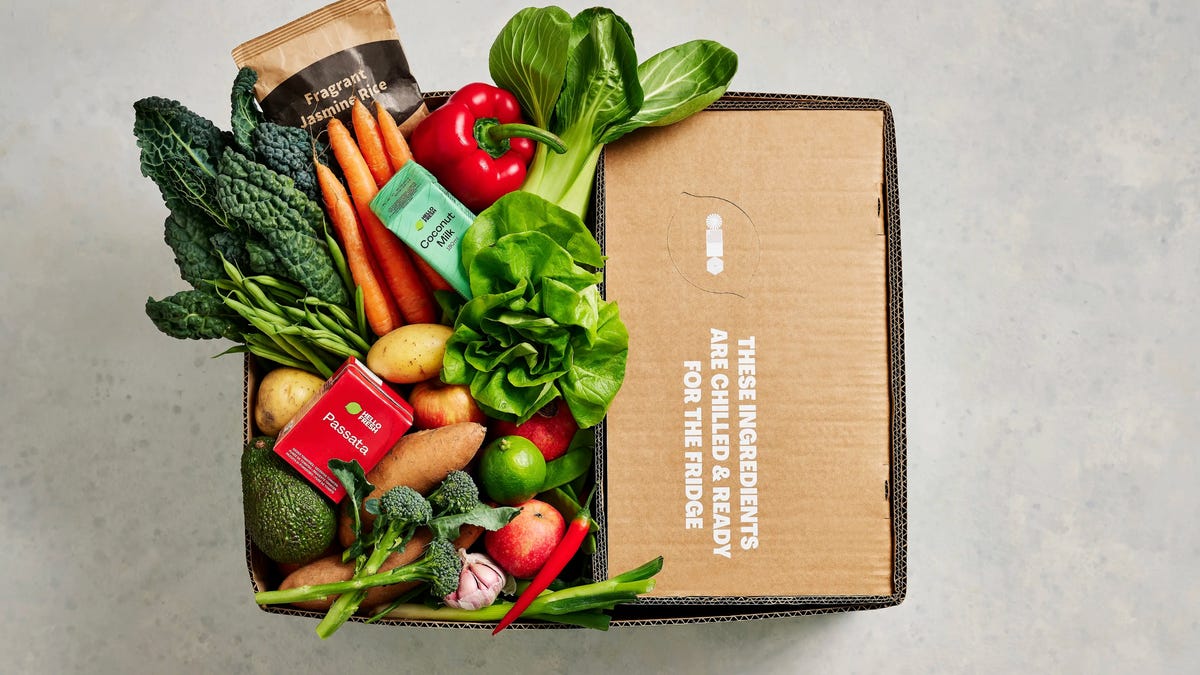
Meal kits are about convenience, which means you’ll typically pay more per pound for these recipe bundles than you would if you did the list-making and grocery shopping yourself. Meal kits offer hidden value beyond saving time and energy since there’s often less food waste with meal kits, given they only send you what you need for that night’s meal, and nothing more.
Within the sprawling meal kit categories, you’ll find a number of options priced between $6 and $15 per serving. The premium services offer higher-end cuts of meat and more complex recipes with gourmet ingredients. The budget services keep it simple with recipes that typically include just four or five ingredients.
Among the choices, you may be wondering which meal kit services offer the best overall value in 2026. Well, so were we.
To find out, we’ve calculated how meal kit delivery services compare with grocery prices. Here’s what the math says about meal kits and value in 2026.
And while these represent the best-value meal kits, we’ve also dug into them to find the absolute cheapest meal kits available in 2026.
Meal kits, ranked by value
| Meal kit service | % savings to make the same meals yourself |
|---|---|
| Home Chef | 35% |
| HelloFresh | 35% |
| Blue Apron | 37% |
| EveryPlate | 40% |
| Marley Spoon | 42% |
| Green Chef | 45% |
| Sunbasket | 48% |
Home Chef
| Home Chef cost (2 servings) | DIY cost | DIY savings | |
|---|---|---|---|
| Idiot Proof Crispy Chicken Sandwich | $23.98 | $12.14 | 49% |
| Arrabbiata Cream Shrimp and Feta Peppers | $23.98 | $16.55 | 31% |
HelloFresh
| HelloFresh cost (2 servings) | DIY cost | DIY savings | |
|---|---|---|---|
| Green Curry Coconut Shrimp and Rice | $22.98 | $16.58 | 26% |
| Cumin Lamb Chops with Spiced Yogurt Sauce (Premium +$12.99/serving) | $48.96 | $26.96 | 45% |
- Cost: $11.49 per serving plus upcharges for premium items
- Aggregate savings on this HelloFresh box to make it yourself: 35%
- Full review of HelloFresh
Blue Apron
| Blue Apron cost (2 servings) | DIY cost | DIY savings | |
|---|---|---|---|
| Brown Butter Steaks and Fried Rosemary ($13.29/serving) | $26.58 | $15.24 | 43% |
| Chicken Caesar Wraps ($8/serving) | $16.00 | $10.88 | 32% |
Note that Blue Apron recently changed its pricing structure and has moved away from a subscription model. Each dish now has a specific price per serving, and you can buy meal kits whenever you want without having to keep track of a recurring weekly delivery.
EveryPlate
| EveryPlate cost (2 servings) | DIY cost | DIY savings | |
|---|---|---|---|
| Banh Mi Style Chicken Tacos | $13.98 | $8.40 | 40% |
| Herbed White Bean Tomato Stew with Feta and Garlic Toasts | $13.98 | $8.25 | 41% |
- Cost: $6.99 per serving plus upcharges for premium items
- Aggregate savings on this EveryPlate box to make it yourself: 40%
- Full review of EveryPlate
Marley Spoon
| Marley Spoon cost (2 servings) | DIY cost | DIY savings | |
|---|---|---|---|
| Steak with Truffle Butter and Fondant Potatoes | $25.98 | $15.58 | 40% |
| Lemon & Herb Pan Seared Shrimp with Broccoli & Pasta | $25.98 | $14.63 | 44% |
Green Chef
| Green Chef cost (2 servings) | DIY cost | DIY savings | |
|---|---|---|---|
| Blackened Shrimp and Grits with Bacon | $29.98 | $15.45 | 48% |
| Butter-Basted Sirloin Steak with Potatoes | $29.98 | $17.33 | 42% |
Sunbasket
| Sunbasket cost (2 servings) | DIY cost | DIY savings | |
|---|---|---|---|
| New Orleans Style Shrimp Creole | $22.98 | $12.10 | 47% |
| Sheet Pan Chicken Sausage with Potatoes, Broccoli and Chimichurri | $22.98 | $11.58 | 50% |
How I did the math
Using weekly menus available online for each of the seven meal kit services, I selected two standard offerings from each, making sure to mix up the protein type: a steak or premium red meat dish, a shrimp dish or a chicken or poultry option. (Sometimes the sandwich took the form of a burrito, wrap or tacos.)
Armed with in-store grocery prices from a Kroger in suburban Michigan (pretty much the median for current grocery prices in the US), I added up the prorated amounts for the specified quantities of each ingredient, then calculated the savings between the meal kit price and what you’d pay to make the same recipe by sourcing the ingredients yourself.
To show my algebra, here’s an example from one of the kits:
Home Chef Crispy Chicken Sandwich
| Ingredient | In-store price | Prorated cost |
|---|---|---|
| 2 sweet potatoes | $1.49/lb | $1.11 |
| 1 cucumber | $1.50/ea | $1.50 |
| 10 oz boneless, skinless chicken cutlet | $5.99/lb | $3.74 |
| 2 brioche buns | $5/4 buns | $2.50 |
| 1.76 oz mayonnaise | $4.29/15 oz | $0.50 |
| 1 oz roasted, salted peanuts | $1.99/12 oz | $0.17 |
| ¼ C panko breadcrumbs | $2.59/8 oz | $0.65 |
| ½ fl oz seasoned rice vinegar | $4.49/12 oz | $0.19 |
| 2 tsp sriracha | $5.79/12 oz | $0.16 |
| ¼ oz cilantro | $2.49/.5 oz | $1.25 |
| 2 tsp umami seasoning | $7.49/6.75 oz | $0.37 |
- Meal kit cost: $11.99 per serving for two servings: $23.99
- Cost to make two servings via groceries: $12.14
- Savings to make this recipe yourself: 49%
Note that the only cost I was calculating here was food cost for a traditional meal kit model. I didn’t factor in delivery cost or promotional offers (which many meal kits offer on start-up, or for lapsed customers who return to the service)
I had to make some estimates for certain ingredients (e.g., approximately 6 teaspoons per fluid ounce or the weight of an average-sized potato), but those estimates were kept consistent across all meal kits. I chose the least expensive available brand for the ingredient, except when a particular brand or standard (such as organic) was specified.
I indicated the percentage savings per item to do it yourself, but to come up with the aggregate savings per box, I added up the total value of all the ingredients in the box and divided it by the total price of the box, rather than taking the average of each of the three savings percentages.
Some observations on value
“Value” can be difficult to quantify because your personal values shape how you perceive cost. Organic produce, more responsible packaging or a wider variety of recipes to choose from may play a greater role in your decision-making than the actual food costs calculated here.
That said, the biggest disparity in value among the meals I calculated was indeed in the organic options: Green Chef and Sunbasket, because organic produce and the highest-quality proteins bought in-store were closer in price to their conventional items than the higher prices in those meal kit brands would have you believe. Sunbasket, curiously, has a pretty low cost per serving, but my calculations showed that you’re getting less in those boxes than in those with conventional ingredients.
I also calculated the cost of each ingredient, but your perception of cost may depend on whether you already have certain items in stock. For example, if you already have garlic powder on hand, you might not really count that as a cost, as you didn’t have to shell out for it in this week’s grocery purchase. (Those 11 cents’ worth of garlic powder aren’t probably making a huge difference in the bottom line anyway.)
On the other hand, a specialty ingredient that isn’t a staple — truffle dust, for example — will feel more expensive because you have to buy it outright to use only a portion of it, even though more remains for use in other recipes. (That particular specialty ingredient is going to hit you especially hard at the point of purchase, because it’s truffles.)
Another consideration worth noting is that every recipe here calls for 10 ounces of shrimp. If your supermarket doesn’t have a seafood counter that allows you to buy in bulk, you might find that packaged frozen shrimp is only available in 12 ounces. I calculated the price for only the 10 ounces called for, but the actual outlay is higher, and chances are you’ll use all 12 ounces and not save 2 for the future.
Getting the most for your money with any meal kit
Given these calculations, I found that the best value, no matter which service you choose, is for premium-ish items that don’t come with a premium markup. Meat and seafood-based dishes will pretty much always incur higher DIY costs than vegetarian or pasta-based meals, which are cheaper for you to put together yourself, such that the difference between making those meals yourself versus getting them through a meal kit is far greater.
The value really comes down to the availability of inexpensive proteins in your area. Shrimp availability in suburban Michigan in January inflated those DIY costs, which may not be the case on the coasts or in other seasons. To make the most of your meal kit money, no matter which brand’s menu you prefer, check local protein prices and choose your meals accordingly.
What more? Here are seven ways to maximize your meal kit service and the best meal kits for staying healthy in 2026.
Read the full article here


