

Remember those upbeat newscasts in The Hunger Games, filled with big smiles, snazzy music cuts and flamboyant outfits? It’s all exciting and opulent for the few — while the rest of the population faces starvation, uncertainty and fear.
I kept thinking about that pointed contrast during Google I/O this year, with the many ways the company wants to force Gemini on us. Just exchange the flamboyance for the elevated basics of tech-bro clothing, and the similarities resonate.
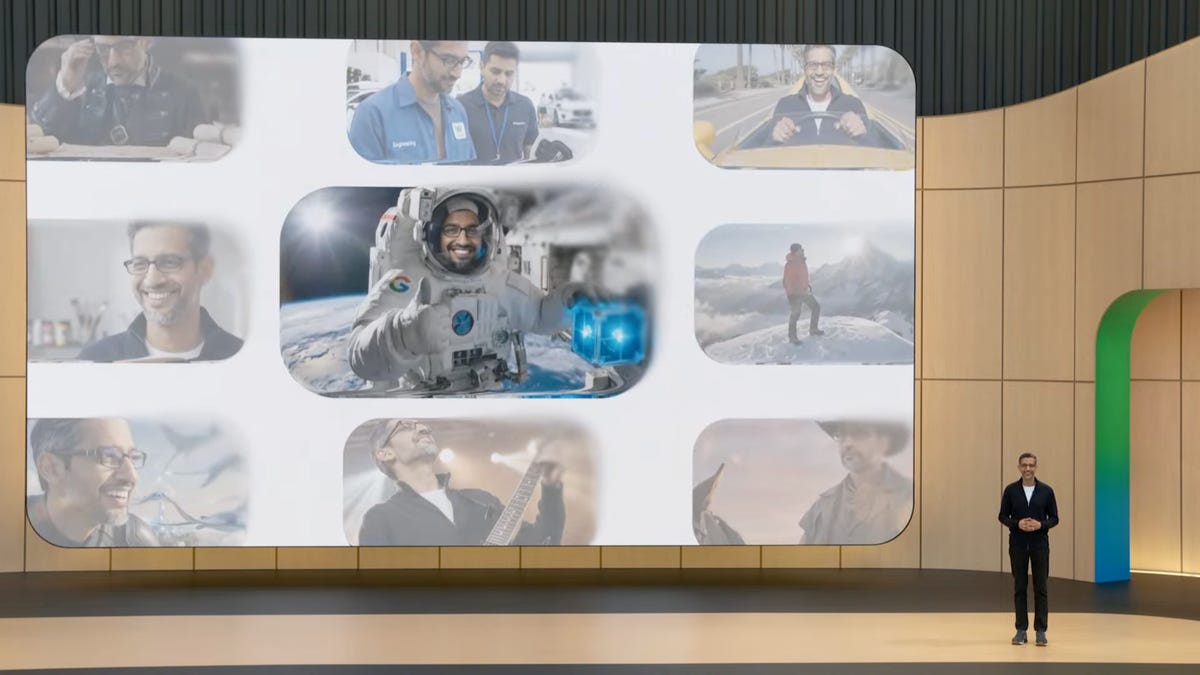
The developers’ presentation was filled with flashy pitches (most of it created with Gemini AI). Everyone was having a great time on stage — shopping, planning block parties, scheduling family times and dancing to AI-fueled music. It was incredibly insular; Google seemed more interested in lauding itself than speaking to real-life users in attendance.
Part of this show was for investors to keep stock pushing new highs. But for those of us on the ground, Google appeared oblivious. It felt off-putting as a behemoth worth trillions of dollars delighted in showing us how Gemini was taking over even more of our jobs, our creativity and our daily lives.
With frequent breaks for expected applause, Google was all hype for its latest Gemini Omni, Ask YouTube, Gemini Spark, new AI Search and more. The themes were clear and disturbing. Let Gemini complete your thoughts and search for you. Let Gemini shop and code for you (as before, but even more so). Let Gemini use YouTube for you and tell you what it saw. Let Gemini rewrite reality and swap people in and out of videos. Let Gemini plan your weekend, no family input needed.
There was no hiding the tired faces in the crowd. Google’s self-congratulatory announcements translated into grim meaning in the real world, where jobs and entire industries are currently at stake because of what Gemini wants to claim.
The threat isn’t just to developers, but to all online workers. Gemini models are tasked with doing everything — which now also creates a heightened risk of stripping monetization from YouTube creators, who have to contend with Gemini grabbing and summarizing their videos.
Shopping sites also got a blow from the latest generative Gemini shopping features, like an agentic hub that supposedly handles the storefront details with your own personalized recommendations. And who has the money to spend on a big block party, even if Gemini could rent you a bouncy house for it?
Don’t get me started on resources these new Gemini tricks will require from thirsty AI data centers, which are already notorious for taking water and electricity from communities with little regulation, amid growing drought conditions and energy price hikes.
The result was the bleakest Google I/O I’ve seen. As the majority of US households struggle with basic needs like affordability, social services and employment, the buzz felt closer to a dystopia than ever. Smile all you want, but having an AI — one we’ve found still has plenty of flaws — run your life and steal your data doesn’t look fun in the real world.
Time will tell how users feel about this new big Gemini push. Meanwhile, I’ll be here, typing coverage in a Google document and chatting with colleagues using Google’s tools on Google’s email, feeling a bit like I’m living in The Hunger Games.
Read the full article here