







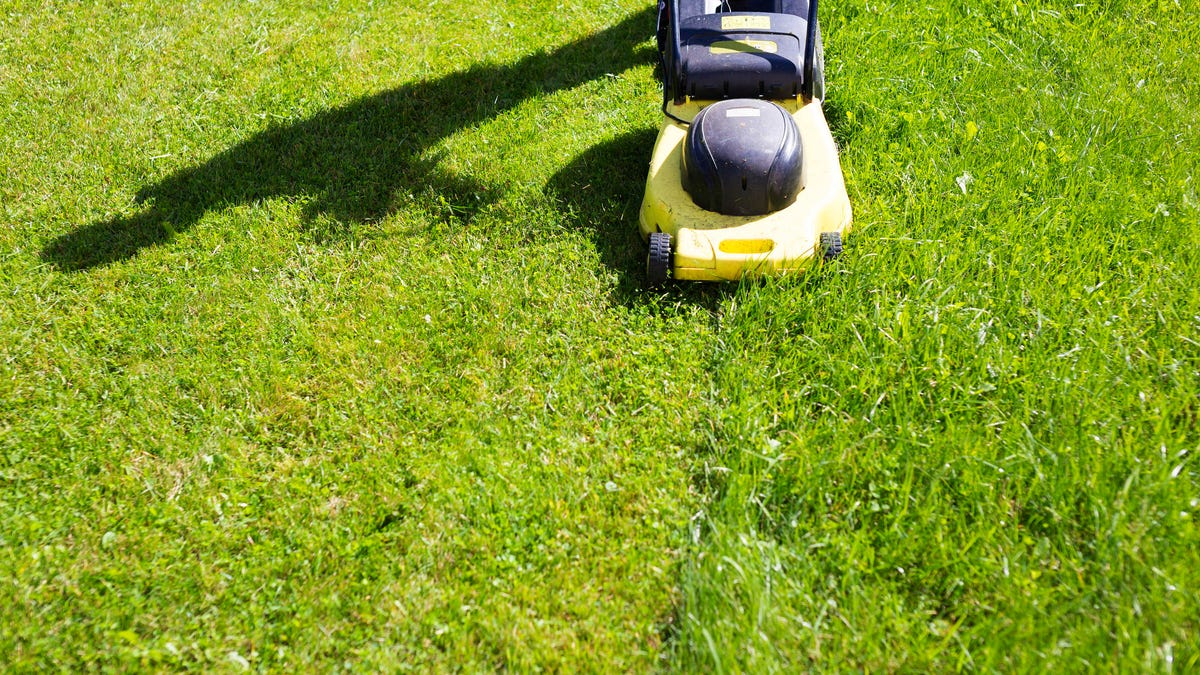
Keeping your lawn green requires more than just constant watering. Knowing when and how to mow can be the difference between a thriving yard and one that’s slowly burning out.
A few common habits do more damage than most people realize. Cutting grass too short, mowing in the middle of the day and running dull blades all add unnecessary stress when temperatures are already punishing. Simple adjustments go a long way: raise your mower height to help the grass retain moisture, mow early morning or evening to avoid peak heat, and leave clippings on the lawn to act as a natural buffer that keeps the soil cooler and more hydrated.
Small changes and avoiding mistakes add up quickly — and you don’t need to overhaul your entire routine to notice a difference. With a little strategy, your yard can stay lush while the rest of the block goes brown.
1. Cutting it too short
For some, a perfect lawn is always well-trimmed and consistently kept short. While this may look nice, it can be detrimental to your grass’s overall health.
During the hottest days of summer, when your yard is competing with sweltering heat, blazing sun and less rain, it’s best to keep the grass about 4 inches high after a cut. That may seem long, but taller grass retains more water and has longer, healthier roots.
2. Cutting grass while it’s wet
It may seem obvious in the summer, when daytime temperatures reach unbearable levels, to start mowing early in the cool morning hours. But if there’s still dew on the ground, you can lose time and damage your lawn. This is caused by the high likelihood that wet grass will clump up in the discharge chute (that flappy thing on the side), requiring you to stop and remove the clog. Plus, your mower tires won’t get great traction either, and could put tracks in your yard.
Instead, wait until later in the morning when the dew dries, or mow the lawn late in the day before the evening dew. Also, time your sprinklers to start up in the late evening or at night so there isn’t extra moisture on the grass when you mow. Here are some more watering tips for your lawn.
3. Mowing too fast
Short on time or just want to get the chore over faster? Then going fast makes the most sense, right? But while it’s tempting to go fast while mowing, it can actually create more work for you. By not taking your time and letting the mower do its job properly, there’s a good chance it will leave some areas uncut and leave the lawn looking uneven and sloppy. This means you’ll have to take more time to re-mow it to get the lawn looking right.
Instead, take the path of the turtle — slow and steady. A slower, midspeed mowing session is faster and better for your lawn than zooming around the grass and ultimately needing to remow it later. Also, remember that the choke needs to be lower for slower speeds to run properly.
4. Not having a plan
Mowing randomly across your lawn can take up more time and lead to an uneven cut. Follow a pattern instead, using this technique:
- Start on the edge of your lawn with the discharge chute pointing toward your lawn
- Mow around the perimeter of your lawn
- When you get to your starting point, make a U-turn so the discharge chute is facing the strip you just cut
- Keep mowing around the perimeter, making sure the discharge chute is pointed toward where you just mowed.
In the end, your lawn will have a pretty pattern, and the discharge chute won’t clog.
5. Not prepping your mower for the next round
Regular maintenance of your mower is important to ensure it remains reliable and performs well every time you take it out. Spending a little time after you finish mowing will keep your mower in tip-top shape and help it last longer. Start by turning the mower over and rinsing the blades and discharge chute with a garden hose before putting it away. This will prevent grass from building up, drying out and being much harder to remove.
If the air filter on your push mower looks dirty, give it a good wash with mild dish soap, then rinse it with the garden hose. Set the filter aside to dry so you can put it on right before mowing next time.
One of the best time savers is keeping your lawn mower blade sharp. A dull blade will require you to go over the same patch of lawn more than once to cut any ragged bits left behind. A sharp blade allows you to zip around your lawn just once and still get great results. Most mower repair shops will sharpen the blades for a small fee, or you can do it yourself with these tips.
Want to make watering your lawn easier? Here’s CNET’s guide to making your own automated lawn watering system.
Read the full article here


