

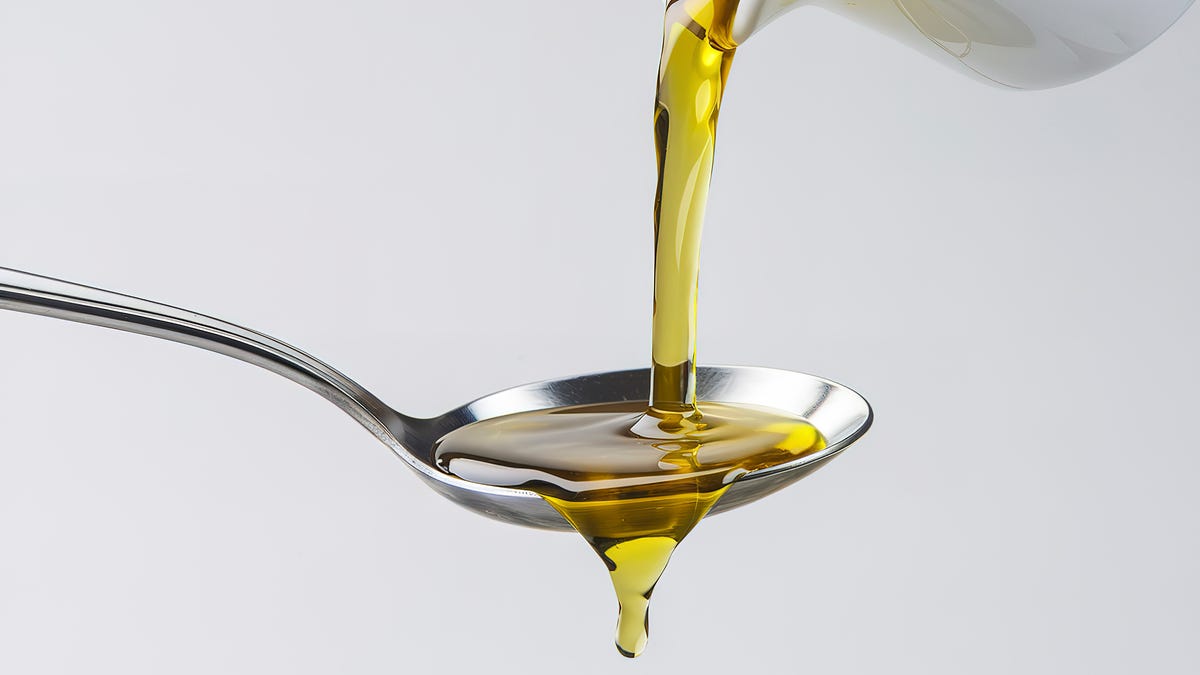
If you’re simply guessing which oil to use for whatever’s on tonight’s menu, you might be sabotaging your own meal. And worse, you could be wasting expensive olive or walnut oil only to watch it burn up in the air fryer or under the broiler’s fierce heat.
Not all oils are created equal. That expensive variety you drizzle over salad may not be built for searing, and it’s affecting your recipe’s final taste, along with your monthly food budget.
High-heat cooking methods such as frying or searing are best done with neutral oils that feature a higher smoke point — canola, avocado or grapeseed, to name a few. Olive oil and lower smoke point oils shine in dressings, slow cooking and sautes, where the rich flavor can stand out without burning and enhance the protein or vegetables.
For baking, some oils also lend moisture, while others add nutrition or depth when left uncooked. To get the skinny on cooking oils, I asked culinary experts to share tips and advice on when to use each oil so you can get the most flavor, texture, and value from every meal you make.
Most common cooking oils and when to use them
Guido Parrati, owner of Parla Come Mangi in Rapallo, Italy, is no stranger to teaching others to cook. In addition to serving an impressively robust assortment of Italian delicacies in his iconic deli, Parrati also hosts seminars, tastings and showcases of local ingredients.
Beyond flavor profile, Parrati said that the single most important aspect of an oil, at least when used for cooking, is its smoke point. A high smoke point indicates that the product can withstand higher temperatures before it begins to — you guessed it — smoke and break down.
This is important to keep in mind for proteins such as red meat, which may require higher heat and longer cooking times to break through tough exteriors and more fibrous interiors. After all, if oil is the lubricant for a perfect sear and/or crunch, you don’t want it to completely dissipate before the job’s done (or well done, if that’s your preference).
Here is a list of the most common oils used for cooking, detailed by Parrati (sans olive oil, which gets its own section after the jump).
Canola or vegetable
Best for: Cooking, baking and frying
“Vegetable oil has a neutral, delicate flavor and a high smoke point, making it excellent for frying, sautéing and high-temperature cooking.” These oils are also ideal for seasoning your cast-iron cookware.
Sesame oil
Best for: Finishing
“Known for its strong, nutty flavor — especially when toasted — it’s great for finishing dishes to add depth and aroma, commonly used in Asian cuisine.”
Coconut oil
Best for: Cooking and baking
“With its distinctive, sweet and tropical flavor, it has a medium smoke point, making it suitable for cooking and finishing, especially in desserts or Asian-inspired dishes.”
Avocado oil
Best for: Cooking, baking, and frying
“Delicate and buttery in taste, it has one of the highest smoke points, making it ideal for very high-heat cooking or frying. It’s also excellent raw as a finishing oil.
Sunflower or safflower oil
Best for: Cooking and frying
“It has a neutral flavor and a high smoke point, making it suitable for high-temperature cooking and frying.”
Olive oil: A guide
Arguably the most popular and familiar of the bunch, olive oil can be treated a lot like wine with its diversity of fruit, terroir, climate and pairings.
New Zealand’s Allpress Olive Groves offers tastings on its Waiheke Island property for guests to identify and appreciate the flavor nuances of each bottle. This also includes olive oil blends, much like wine, that can enhance or temper flavors to create an outcome unlike anything on the market.
“Just like expertly blended wines or coffees, olive oil blends are crafted to offer a harmonious balance of flavors and aromas,” said Erin Butterworth, who oversees events and marketing for the brand. “Blending different olive varieties allows us to create oils that are rich in complexity, with tasting notes ranging from fruity and grassy to peppery and nutty.”
“This versatility makes them ideal for a variety of culinary applications, such as drizzling over salads, finishing dishes or enhancing baked goods. The art of blending ensures that each bottle delivers a consistent and delightful flavor profile, inviting creativity in the kitchen and elevating everyday meals,” she adds.
Types of olive oil
Extra-virgin olive oil is the gold standard, but depending on your cooking needs, there are other, more affordable varieties and blends worth considering.
Olive oil compared
| Type | What is it | Flavor | Smoke Point | Best Use |
|---|---|---|---|---|
| Extra Virgin | Highest quality. Made from cold-pressed olives with no chemical processing. | Bold, fruity | 375°F | Finishing, dipping, salads |
| Virgin | Made by cold pressing, but with slightly higher acidity and less intense flavor than EVOO | Mild | 390°F | Light sautéing, simple cooking |
| Pure/Classic | A blend of refined olive oil and a small amount of virgin or extra virgin olive oil | Neutral | 465°F | Frying, roasting |
| Light/Extra Light | Heavily refined oil with minimal flavor and color | Very neutral | 470°F | Baking, high-heat cooking |
Olive oil flavor profile
Fruity: “A delicate classic that everyone loves. Smooth and balanced, it gives an instant lift to any dish.” These oils are best used on salads and fresh vegetables as a finisher or part of a dressing
Nutty: “Creamy and nutty with a smooth finish. All the richness you crave — like butter, but better.” Choose nutty oils for baked goods, pastas, roasted vegetables, and grilled meats.
Peppery: “Intense and with a serious bite. It’s a bold oil that makes its presence known.” Try peppery oils for dipping bread or finishing cooked vegetables and meat.
What to look for when buying olive oil
While most mass-market olive oils will get the job done, they don’t always provide an exceptional tasting or cooking experience. Instead, Butterworth advises shoppers to keep four characteristics in mind as they meander through grocery or gourmet food store aisles.
- Freshness: “Think of olive oil as fruit juice — it’s best when fresh! Look for a harvest or ‘pressed on’ date stamped on the bottle. Aim for oil from the past 12–18 months and definitely within two years to get full flavor and health benefits.”
- Free fatty acids (FFA): “The FFA marker reveals how well the olives were handled post‑harvest and lower is better. By international standards, extra-virgin olive oil must have an FFA content below 0.8%. Some premium producers like us aim for below 0.3% to indicate exceptional quality.”
- Taste: “Everybody’s palate is different so the ideal oil for one person may not suit another. Sampling oils in‑store (via tastings or small bottles) helps you discover whether you prefer a bold, peppery varietal or a smoother, fruitier blend. It’s surprising how different they can taste.”
- Packaging quality: “Quality oils should be sold in dark glass, tin or opaque containers to protect them from light exposure, which degrades flavor and antioxidants. Be wary of clear plastic bottles or large bulk containers unless you go through them very quickly at home.”
Read more: Pantry Staples and Other Foods That Spoil Faster Than You’d Think
Creative uses for olive oil
Olive oil use isn’t exclusive to cooking, baking and finishing. Maichol Morandi, executive chef of Lake Como’s Grand Hotel Victoria, refers to his favorite Vanini brand from Lenno as the protagonist of his cuisine. He concocts entire dishes around its wide range of flavor profiles.
“In our kitchens, we use and experiment with custom olive oil blends for new seasonal menu creations, ideal for achieving specific balances between smoke point, flavor and structure,” he said.
A few of chef’s favorite and most recent preparations include:
Coriander-infused olive oil for sea bass ceviche: “This oil is created using a cold-extraction technique that preserves its purity and elegance,” he said. “Fresh coriander leaves are blanched for a few seconds in hot water, then cooled in ice water to set their color. Once squeezed, the leaves are blended with a mixture of sunflower oil (for its neutrality) and olive oil.”
Dark chocolate desserts: “We add a drizzle of extra virgin olive oil infused with tonka bean to a dark chocolate dessert with figs and Maldon salt. It brings warm, balsamic aromas and surprises the palate with a sensual contrast.”
Raviolo: “In a raviolo filled with scampi and lime, a bergamot oil — made by infusing the zest — enhances the citrus freshness without relying on aggressive acidity.”
Read the full article here