



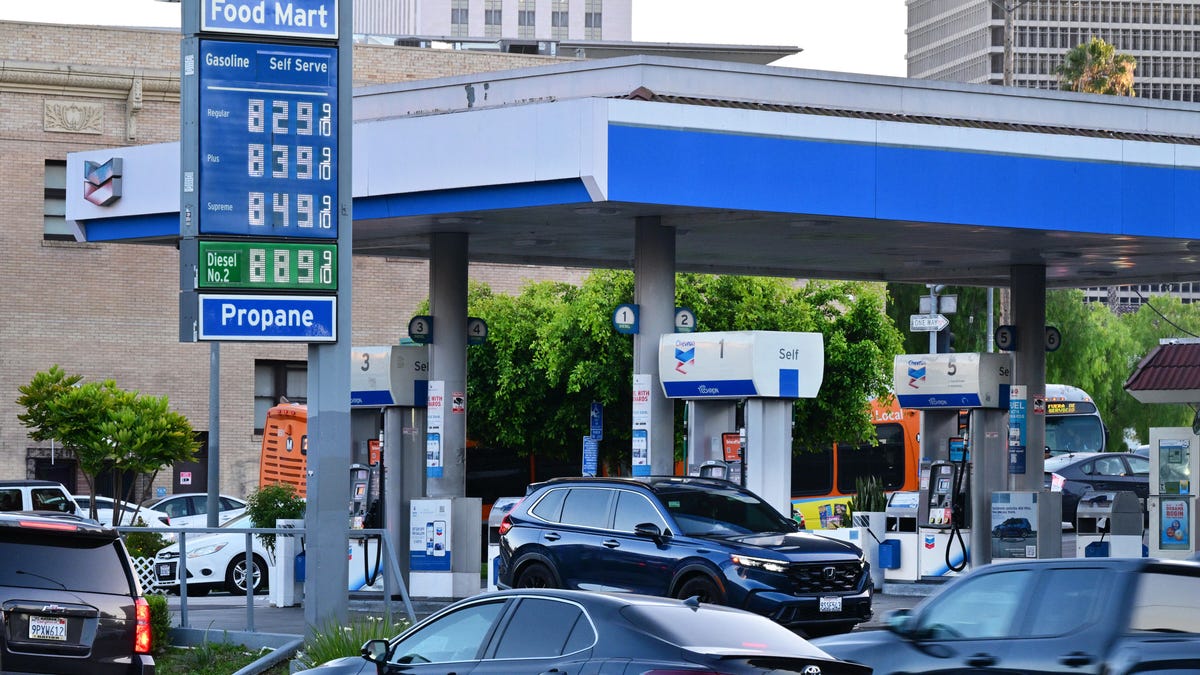
Californians who’ve felt the pinch of average gas prices as high as $6 to $7 a gallon in recent months may have some eventual recourse if a proposed class action lawsuit goes through.
The lawsuit, filed on June 22 in the Eastern District of California, accuses several major gas station operators of manipulating pump prices by using AI-driven pricing software from Kalibrate Fuel Systems, a tool that allegedly uses competitor data to influence fuel costs. The complaint targets more than 1,700 gas stations across the state, including BP, Walmart, Marathon Petroleum, 7-Eleven, Albertsons and Circle K.
Plaintiffs argue that, where the automated software is widely used, prices rose by about 30 cents per gallon above what normal competition would have produced. The lawsuit calls it “an illegal algorithmic price-fixing scheme orchestrated by the algorithmic pricing company Kalibrate and some of the state’s largest fuel retailers.”
California has the highest average gas prices in the country, and even small increases from pricing software can have a big impact on drivers.
A representative for Kalibrate did not immediately return a request for comment.
Cracking down on algorithmic price fixing
According to the lawsuit, the gas companies violated California law AB 325, which went into effect earlier this year to crack down on algorithmic price fixing. AB 325 gives California plaintiffs an antitrust hook for claims that competitors used a shared pricing algorithm as part of a conspiracy to restrain trade, and it also makes it easier to plead such cases under the state’s main antitrust law, the Cartwright Act.
The spokesperson from the California Energy Commission’s Division of Petroleum Market Oversight said the agency, which closely monitors fuel markets, has put fuel refiners, distributors and sellers on notice (PDF) about AB 325. “DPMO will continue to engage with market participants to ensure that they are familiar with their legal obligations in the Golden State,” the spokesperson told CNET via email.
Earlier this month, the Commission issued a warning that branded gasoline may cost significantly more than generic gas amid rising fuel prices driven by the war in Iran. The Commission was already investigating high-priced gas stations in the state.
The suit names three California plaintiffs: Joel Casciani of Chula Vista; Paola Hartman of Homeland; and Crystal Turnbough of Marysville. All three say they purchased gas at inflated prices from gas stations owned by companies that use Kalibrate Fuel Pricing.
It doesn’t specify a dollar amount for the damages the plaintiffs are seeking, but it does call for the recovery of compensatory damages and the awarding of three times the damages caused.
The suit comes just as Kalibrate recently introduced a mobile app that allows fuel retailers to set prices on their phones. According to the description, some of the features include “enhanced market insight, new mobile capabilities and AI-driven features designed to bring greater clarity to pricing decisions.”
Opposition to dynamic and surveillance pricing
Dynamic pricing is not new. It’s been a fact of life for decades since algorithms were integrated into companies’ sales systems. The most public examples have been Uber’s surge pricing for ridesharing and ticket pricing among airlines.
Recently, World Cup ticket prices reached record highs because they are set by demand. While many World Cup fans criticized the practice, the US Chamber of Commerce defended dynamic pricing, noting that after the initial rush, ticket prices dropped.
What’s changed in recent years is that companies now have much more data about their customers and, with the help of AI, can set prices based on what they know, a practice called surveillance pricing. While dynamic pricing is based on demand, competition or local market conditions, surveillance pricing means a company uses personal data about a shopper to determine what price that shopper is likely to pay.
The state of New York passed a law restricting surveillance pricing in December, which went into effect recently. California lawmakers have also been moving to restrict surveillance pricing, with AB 2564 aiming to ban retailers from setting prices based on personal information. Many digital rights and privacy activists support the proposed ban, including the Electronic Frontier Foundation, which says that “surveillance pricing is bad for privacy, equity and price transparency. “
Read the full article here


