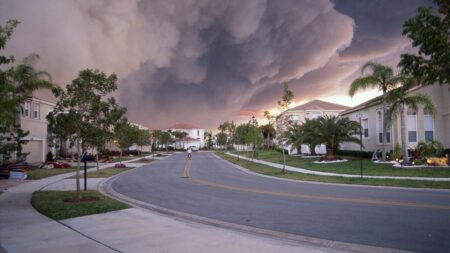


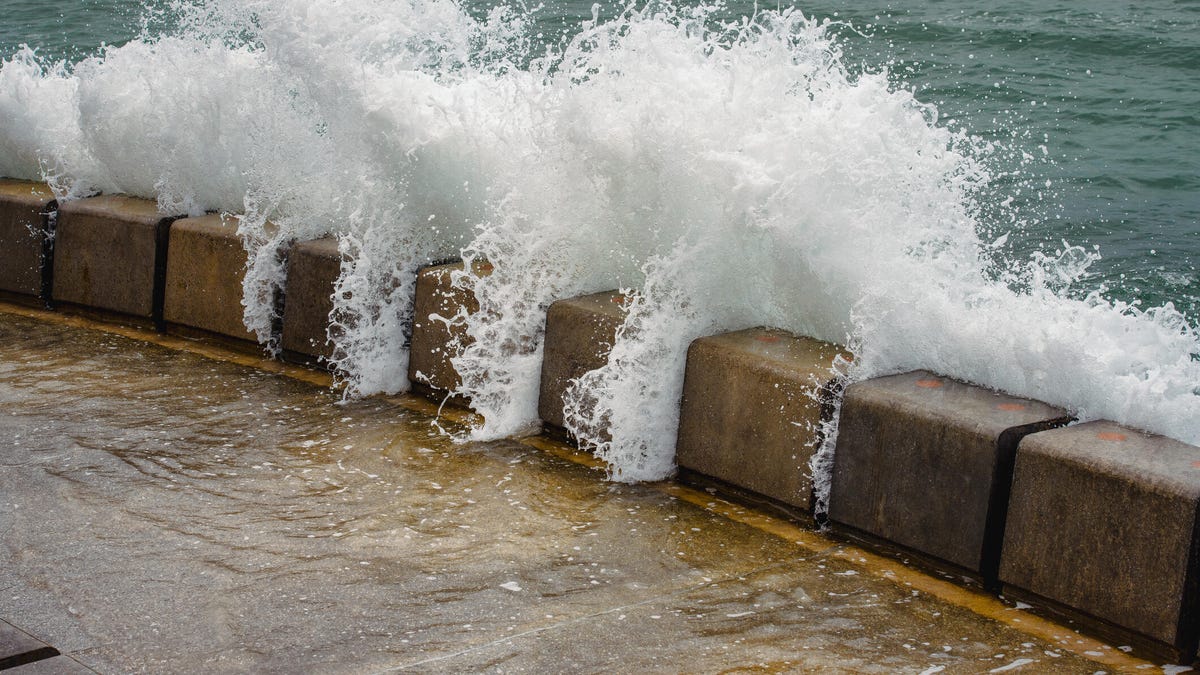
The first named storm of 2026 is moving up through the Gulf of Mexico, signaling the start of hurricane season in the US. Tropical Storm Arthur has already flooded parts of Texas and Louisiana. At the same time, a derecho — a widespread windstorm — tore through 360 miles of Iowa and Illinois, according to The Weather Channel. And that’s all before an extensive El Nino Niñoupts conditions in the fall, as predicted by the National Oceanic and Atmospheric Administration.
Hurricane season starts in the spring, but September and October are the most likely months for hurricanes, according to Ready.gov, which lists the various hurricane season dates as follows:
- Eastern Pacific: May 15 to Nov. 30
- Atlantic: June 1 to Nov. 30
- Central Pacific: June 1 to Nov. 30
If you live near a coastal area or are just concerned about hurricane weather where you live, we’ve rounded up a few steps you can take to prepare for extreme weather to help protect your family and home.
For more disaster preparedness tips, check out our guides on how to prep for hurricanes, wildfires, storms and other natural disasters, 11 things to do to prepare for a blackout and how to save the food in your fridge if the power goes out.
Create an emergency plan
One of the most important steps to preparing for hurricane season is creating your family’s emergency plan, including your evacuation route.
First, know in advance how your family will communicate during a hurricane and how you’ll receive emergency alerts. Know where you’ll shelter in place and the evacuation route you’ll take, if necessary.
Your plan should also include any special measures necessary to care for children, pets or family members with mobility issues. Additionally, make a plan for any household members who require special medication or medical equipment.
Before hurricane season, ensure everyone in the family understands the plan, including children.
Secure your home
As hurricane season approaches, take steps to secure your property against potential hurricanes and high winds. A few steps you can take include:
- Trim trees to remove weak branches
- Install hurricane-proof doors
- Install storm shutters to windows
- Replace exterior glass with tempered glass
- Have a plan for outdoor furniture, potted plants and toys
Prepare an emergency kit
The last thing you want to do when a hurricane is approaching is rush around to find everything you may need for the coming days. Instead, have an emergency kit or go bag on hand that you can turn to. Your emergency kit can include:
- Nonperishable food
- Bottled water
- Flashlights
- Extra batteries
- Portable radio
- First-aid supplies
- Prescription medication
- Pet food
- Cash
- Blankets
- Phone chargers
- Basic hygiene items
Check your insurance policies
Before hurricane season each year is a good time to double-check your insurance policies and make sure you’re fully covered in case there’s an incident.
First, you should ensure that your current coverage is sufficient to rebuild your home and replace all your personal property in the event of a loss. You should also make sure you have the types of coverage specifically needed for hurricanes: flood insurance and windstorm insurance.
If you live in an area prone to hurricanes, make sure you have the necessary coverage. Understand your deductible and keep enough in a savings account to cover it in case there’s a loss.
Keep an inventory of your belongings
Be sure to keep a running inventory of your personal property. If there’s a storm and you have to file a homeowners’ insurance claim, you’ll need to provide an inventory of the items destroyed. The sooner you provide this information to the insurance company, the sooner it can settle your claim, and you can start to recover.
To create your inventory, go room by room and add each item to a spreadsheet. Include the value of each item in case you have to file a claim. For valuable items, include photos or purchase receipts.
Be sure to store your inventory digitally, preferably on a cloud service such as iCloud or Google Drive, so you can access it even if you’re unable to return to your home. There are apps that can help you do this. You should also update it each year before hurricane season.
Keep important documents somewhere safe
If you’re storing important documents in your home in paper form, it’s time to find a new strategy. First, make sure every important document is in a waterproof, fireproof safe in your home.
Next, make sure that each document has a digital copy so that if your home is destroyed and your safe can’t be recovered, you still have copies of everything. (We’ve also got advice on how to recover important documents after a natural disaster).
Important documents to keep safe include:
- Birth certificates
- Marriage certificates
- Social Security cards
- Military service records
- Insurance policies
- Tax statements
- Health records
- Financial records
Keep a hurricane checklist on hand
When a hurricane hits, the fear and adrenaline can make it easy to forget what steps to follow. Before hurricane season arrives, make a checklist of exactly what you’ll do and what you’ll pack if a hurricane hits. That way, if there is a storm, you can refer to your list rather than trying to remember every important step yourself.
Be safe with generators and fuels
Generators and heaters can be lifesavers when a storm knocks out power, but they can also be deadly if not used carefully. Make sure you’re properly using any device that burns fuel: Don’t use a portable generator, grill or camp stove inside. The fumes and carbon monoxide can be deadly. Operate grills, camp stoves and portable generators outside and at least 20 feet away from a building opening, like a door or window.
One alternative to a fuel-powered generator is a portable power station, which can be recharged with portable solar panels.
Read the full article here