

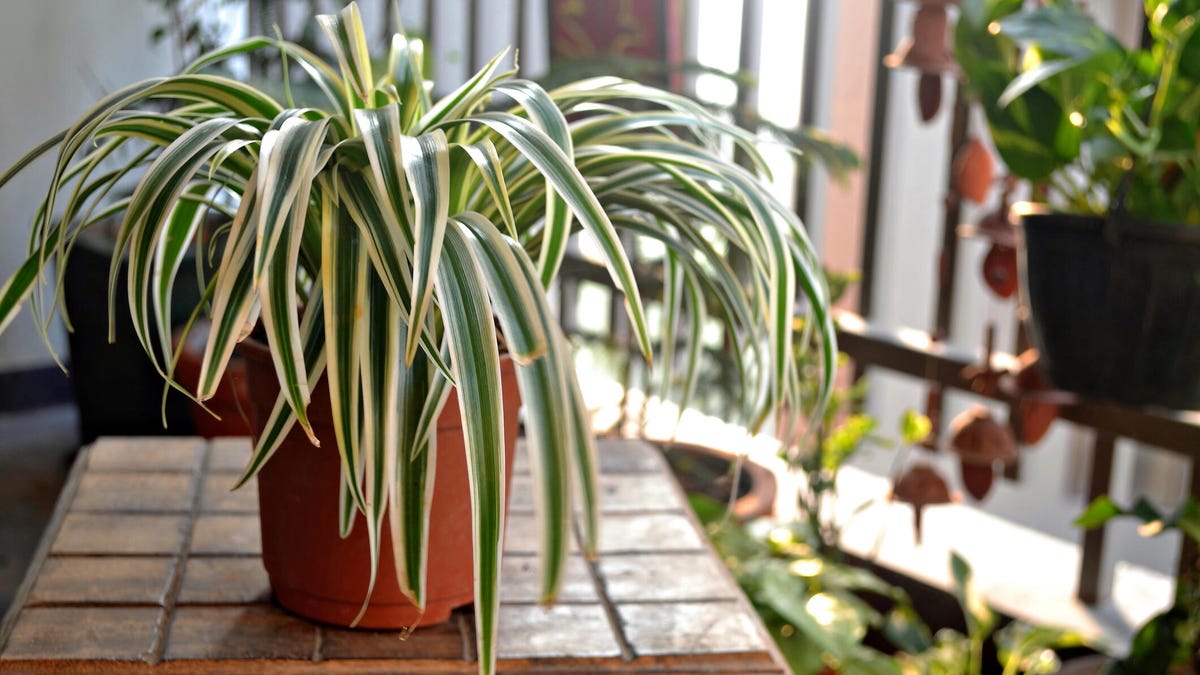
Plants can be finicky. If you need proof, take a look at the dried remnants of ferns and philodendrons in my compost pile. Watering plants too much or too little can cause them to rot or dry out, so you need to find the happy medium. Plants also need the proper amount of light. During winter months, things get even trickier since many plants aren’t able to survive a frost unless you’ve smartly potted freeze-proof plants that can survive the cold and snow.
Bringing plants inside is the first step in keeping them alive, but it should be done strategically so you don’t shock their delicate constitutions.
How much you water your plants also changes during winter. Below, we’ve rounded up essential tips on how to keep your plants healthy year-round.
For more, here’s how to help your houseplants thrive by putting them in the right spot, and how to keep your plants alive while you’re traveling.
1. Move your plants inside before it gets too cold
Plants need to be transitioned indoors before the outside temperature starts dropping below 45 degrees Fahrenheit (7 degrees Celsius) at night.
If it’s a tropical plant, such as a potted lemon tree or passion flower, you’ll want to start the transition before temperatures hit 50 degrees F (10 degrees C) at night.
2. Find the right space inside for your plants
Before you start, make sure you have an area indoors where you can move your outdoor plants. You’ll need to consider light, temperature and humidity.
3. Light
Sunlight is the biggest factor. If the plant likes shade or partial shade, most windowsills will be adequate.
If it’s a sun-loving plant, you may need to add a growing light. A growing light or growing lamp has special bulbs that mimic natural sunlight. This gives your plants the nutrition they need, no matter how much sun your room gets. Look for a model with a timer so it can automatically turn itself on and off. You’ll want to give full-sun plants around 16 hours of light from a growing lamp each day.
4. Heat and humidity
Cacti aside, most plants like at least some humidity. Inside your home, heaters and fireplaces can dry out the air, so if you have room in your bathroom by a window, that’s an ideal spot for a few plants. If not, don’t worry. Adding a small humidifier to the room where your plants will be is good enough.
Finally, consider temperature. Keep your plants away from heaters, air vents or fireplaces to help keep the temperature more constant.
5. Transition your plants slowly
You can’t just bring your outdoor plants inside and call it a day. They are acclimated to certain temperatures, humidity and light. If you suddenly bring them inside, where those conditions are different, they may go into shock. This can kill a plant or at least make it sick for a few weeks.
There are two ways to make the transition, and it all depends on what types of plants you are moving.
Bring shade-loving plants inside every day for a couple of hours. Extend the time a little each day until you get to six hours of continuous indoor time.
For sun-loving plants, move them into a shady area, like under a tree, for around two weeks. After their time in the shade, move them inside.
No matter whether you have a shade or full-sun plant, you need to trim back some growth around the time you start making the transition. The new growth will be acclimated to an indoor environment, making for a healthier plant.
6. Get rid of bugs
When transitioning plants, you may notice insects that you don’t want to bring inside. Plus, aphids, mealybugs and other insects that aren’t much of an issue outside can end up infesting your plant when brought indoors.
The best way to deal with bugs is to soak the plant in a bucket of water with a drop of mild soap (such as castile soap) for 15 minutes. This will kill bugs without pesticides. However, only do this with plants in pots with drainage holes, and don’t use this method for cacti, succulents and other plants that can’t tolerate a lot of water.
7. Water your plants less
During winter months, your potted plants won’t need much care. Water them only when the soil is dry to the touch. Overwatering can cause root rot and eventually kill your plant. If it’s a succulent, you can wait even longer. Wait until the soil has been dry for several days before watering again.
If you’re unsure of how dry is too dry, a $10 soil monitor will help you keep plant soil at optimal moisture levels.
For more gardening tips, find out how to plant a tree the right way, what determines a hydrangea bloom color, and how to get rid of honeysuckle.
Read the full article here