





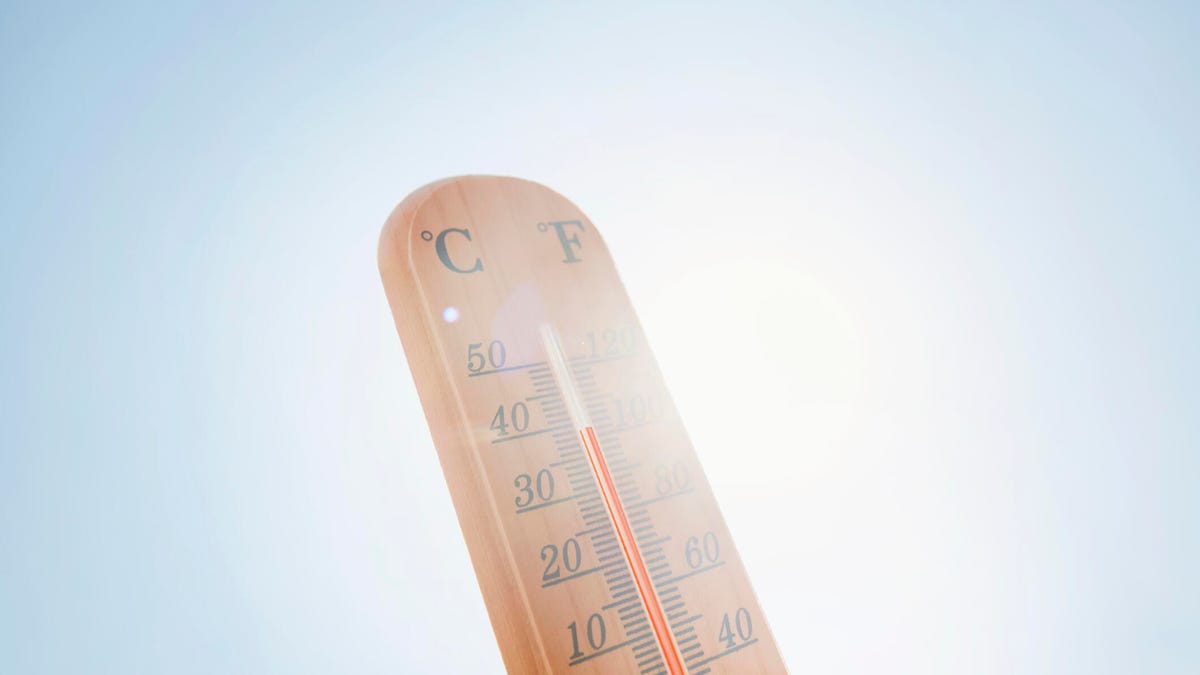
A heat wave in Europe this week has broken June temperature records and is being blamed for dozens of deaths, and another round of soaring temps is expected to hit the eastern US next week.
National Weather Service forecasters expect a long-lasting heat wave in the central to eastern US to start this weekend and likely to last into the July 4 holiday weekend. Temperatures in the 90s and low 100s Fahrenheit are expected, along with high humidity. That means heat indices near or above 105 to 110 degrees Fahrenheit.
It’s not just the afternoon highs, either. “Overnight lows will also be quite warm,” NWS forecasters wrote, “with some record high minimums possible, bringing little to no relief from the heat in the nighttime hours.” Those nighttime temps can be just as dangerous as the triple-digit highs.
Don’t be fooled by a cool breeze or what your weather app says. Outdoor temperatures that say 90 degrees can still feel like 100 degrees or hotter. Your health conditions can make heat even more critical. As much as we love summer fun outdoors, heat waves can be dangerous and deadly.
And heat waves are getting worse and more frequent due to climate change caused largely by the burning of fossil fuels. An analysis by European climate scientists on this week’s heat wave found a similar event in 1976 would’ve been about 3.5 degrees Celsius cooler, and one in 2003 about 2 degrees cooler. “This summer shows that at 1.4°C of global warming, extreme heat is already reaching the limits of our societies’ ability to cope,” the scientists wrote.
As temperatures rise this weekend, it’s crucial to stay safe and alert of all weather advisories. Expert guidance may mean changing your plans or taking extra precautions. As much as keeping cool seems obvious, some reminders can be lifesaving.
Keep an eye on the heat
The Centers for Disease Control and Prevention has a HeatRisk tracking tool that gives you the daily risk level based on your ZIP code, plus tips to help manage your health in the heat. Pay attention to your weather app for temperatures and weather alerts. You may also see the temperature that it feels like, which can be higher than the “official” temperature because of humidity and other factors.
During heat waves, you may expect temperatures to cool at night, but sometimes they don’t drop enough to offer genuine relief. Cooler night temperatures give your body a chance to reset from the heat that can impact your body. But when temperatures remain high, your body doesn’t have that chance, which can be dangerous for your health. So even when the sun goes down, continue to pay attention to how hot it is — and not just outside your home.
Make sure your home is cool
Keeping your home cool is essential to protecting your health during a heat wave also helps keep your pets safe and protect loved ones from the extremely warm temps.
“Stay in the coolest area of your home as much as possible,” said CNET Editor Corin Cesaric-Eppie. “The National Weather Service also cautions against direct sun exposure as it can result in a sunburn, which makes it more difficult for your body to cool down.”
In your home, air conditioning is the most common way to ensure you stay comfortable and safe.
Cesaric-Epple and CNET’s Labs team have reviewed more than a dozen portable and window AC units and found that window units have optimal cooling performance. Energy Star models can also keep you cool while using less electricity.
If you’re not in the market for a new AC unit, there are other tips to keep your home cool. Consider keeping your curtains closed to prevent sunlight from warming up your home. And use weatherstripping or other materials to seal up any gaps around your doors and windows to keep cool air in and hot, humid air out.
Stay hydrated
It’s especially important to stay hydrated during heat waves. Dehydration can be dangerous because your body needs sweat to stay cool. Drink water regularly and take water with you when you go outside. The CDC recommends drinking eight ounces of water every 15 to 20 minutes when working outside in the heat. You should drink in short intervals instead of consuming a large amount all at once. Most importantly, the CDC doesn’t recommend drinking more than 48 ounces of water per hour.
CNET has more advice to help you stay cool this weekend, and throughout the summer, including a handheld fan we recommend to help you stay cool, and heat illness signs to watch out for.
Read the full article here