

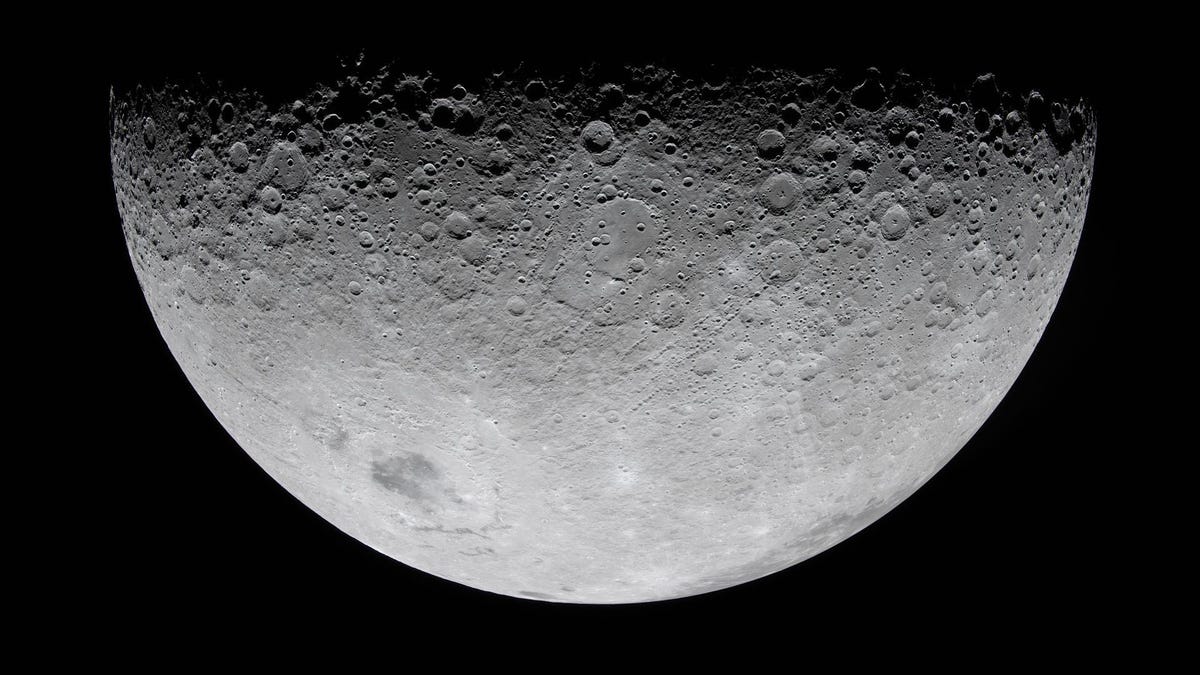
There’s no doubt that Artemis II was a rousing success for NASA and space fans everywhere. The 6-hour launch broadcast was viewed by 18 million people and sparked interest in a space program that hadn’t sent a spacecraft to the moon in 50 years. The crew of Artemis II splashed back down on April 10, ending the Artemis II mission. So what’s next?
Quite a lot, as it turns out. NASA spent the first quarter of 2026 reorganizing its plans to accomplish more tasks and launch more often, and there are some pretty ambitious plans in the works for the agency.
There are three major prongs: returning humans to the moon, nuclear power in space, and, ultimately, a habitable base on the moon. NASA is working on the technology that will be instrumental in making all of this happen, and at this point, it’s mostly a matter of getting everything done on time.
Artemis III: Pre-moon landing tests
Artemis I sent the Orion capsule around the moon to test its capabilities. Artemis II put astronauts in the Orion capsule and sent them around the moon, breaking the record for the furthest distance from Earth traveled by humans in the process. Next up is Artemis III.
The original plan for Artemis III was to put humans back on the moon, and it was scheduled for launch in 2028. That is no longer the case. Artemis III is now a testing mission that will see a crew connect with lunar landers in low Earth orbit and test equipment in preparation for Artemis IV, which aims to put humans back on the moon in 2028. Per NASA, testing is planned for “one or both commercial landers from SpaceX and Blue Origin.”
Artemis III is scheduled for launch in 2027 and will use the same Orion capsule and SLS rocket system that launched the Artemis I and II missions. The 2027 timeline reduces the gap between launches to just over one year. This is part of the shakeup, where NASA wants to conduct more launches in shorter timeframes to maintain momentum while increasing astronaut safety.
It’s still early, and many of the mission details haven’t been announced yet. The process is well underway, as NASA has returned its mobile launcher to the Kennedy Space Center’s Vehicle Assembly Building to get refurbished for the Artemis III launch, and the agency has rolled out its next core stage — the largest section of the SLS rocket — from its Michoud Assembly Facility in New Orleans.
The SR-1 Freedom: Nuclear-powered spacecraft headed to Mars
NASA is working on more than just Artemis III, and arguably, the most important task for the future moon base is the SR-1 Freedom. NASA announced the SR-1 Freedom at a press conference in March, and the premise is simple: The agency is constructing the first functional nuclear-powered spacecraft.
According to NASA, nuclear power is essential for future space travel and missions, since liquid fuel only gets you so far and solar power is untenable for the kinds of missions that NASA wants to do.
The SR-1 Freedom is scheduled to launch in December 2028, and its first destination is Mars. NASA says the SR-1 Freedom will launch into orbit, break away from Earth’s gravity and then use nuclear fission to generate electric propulsion to get itself there.
The use of nuclear material requires some teamwork alongside the US Department of Energy, since NASA needs uranium to power a nuclear spacecraft. This process is also already underway, but requires regulatory approval.
“Our system will be tested, reviewed and approved by multiple safety agencies,” a NASA spokesperson told CNET. “Along with DOE, NASA will comply with the provisions of the National Environmental Policy Act to ensure potential environmental impacts are considered. Safety processes are a priority and accounted for in every aspect of the program, including reactor design, testing, manufacturing and operation.
“We also will seek to identify and mitigate risks as early in the system design process as possible and work continuously to ensure the safety of the public, workers and the environment,” the spokesperson said.
Once it arrives at Mars, it’ll drop off the Skyfall payload, a trio of drones with cameras and sensors, to search the planet for subsurface water, collect navigation data for future Mars landers, and scout potential landing sites for humans.
NASA hasn’t specified whether SR-1 Freedom will return to Earth, and it says “mission details are still being developed.”
There are a lot of implications to having a nuclear-powered spacecraft, including the ability to travel farther with lighter fuel. That paves the way for larger payloads to Mars, including human travel, and eventually, going even farther into the solar system with spacecraft that have enough power to return to Earth.
SR-1 Freedom is also a major test to see whether NASA’s nuclear technology works and data collected is being used to build more nuclear-powered machinery, including more spacecraft and, more importantly, nuclear reactors to power bases on the moon and Mars.
NASA says this is a pivotal technology to build because solar power doesn’t work so well on the moon or Mars. Even the best moon landing sites still have to deal with the moon’s 14-day day-night cycle, and dust storms on Mars can blot out the sun for weeks at a time. To establish a base on either site with human presence, nuclear power is the best option.
The Ignition program: A human habitable base on the moon
All of the above is intended to support the main goal: NASA’s Ignition Program. This massive, sprawling plan took NASA nearly 5 hours to announce across three press conferences in late March, and it’s expected to cost $20 billion and be completed by 2033.
The plan includes loads of things, including building a new space station after the International Space Station is dropped into the Pacific Ocean, performing myriad science experiments to learn more about space and the Artemis and SR-1 Freedom missions.
The endgame for Ignition is the moon base, and most of the other things NASA announced are furthering that objective to some extent. Ignition’s scope is truly massive. NASA is completing the program in three phases, and each phase requires dozens of things to happen.
- Phase one: Building, testing and learning. NASA is researching everything from lunar landing spots to nuclear power, all while sending various missions, landers and research technology to gather as much data as possible. In a technical document, NASA says that phase one includes 25 launches, 21 moon landings and sending over 4,000 kilograms of materials and equipment to the lunar surface.
Per NASA’s spokesperson, that includes drones to scout the surface as part of the MoonFall mission, autonomous rovers, communication relays and “survive the night” power demonstrations. - Phase two: An additional 27 launches, 24 landings and 60,000 kilograms of equipment and materials headed for our nearest celestial neighbor. NASA’s goal here is to establish early infrastructure, including a semi-habitable structure and logistics.
- Phase three: Promises continuous human presence on the moon, similar to the continuous human presence in orbit with the ISS. This phase features heavier infrastructure, nuclear power, a vehicle for astronauts to drive and all the other materials necessary for a permanent lunar base. This phase promises 29 launches, 28 moon landings and 150,000 kilograms of payload bound for the lunar surface.
For those keeping score, that’s 81 launches, 73 moon landings and 214,000 kilograms (approximately 236 tons) of material. NASA’s plan addresses just about all of the technology and research necessary to accomplish the task, including filling in existing technology gaps, learning how to deal with the lunar environment and the long-term effects of living on the lunar surface.
It’s a massive undertaking, but NASA administrator Jared Isaacman is adamant that NASA can pull it off.
“We have the vision, resources and experience,” Isaacman said in a post on X. “Now we move beyond presentations and PowerPoint.”
Read the full article here