

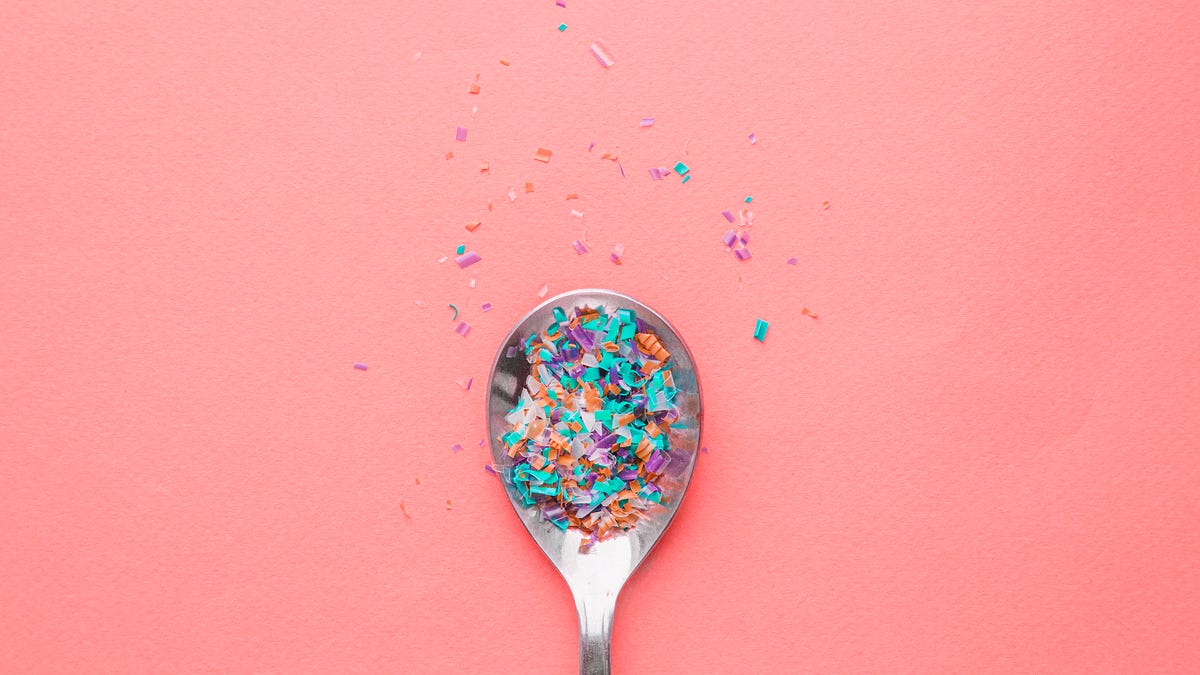
Opting for plastic-free materials in your home isn’t just about being eco-friendly. Particularly in the kitchen, forgoing plastic is also a way to reduce your consumption of microplastics, tiny plastic particles less than 5 millimeters in size that are everywhere we look: in our dust, air, water, fabrics, cleaning products and yes, even our food.
To avoid ingesting microplastics when you’re simply trying to enjoy a meal, there are certain kitchen staples you’ll want to stop using in favor of microplastic-free alternatives.
Are microplastics bad for our health?
Microplastics have become a significant environmental concern, and scientists are now concerned about their potential health effects. An estimated 22 million micro- and nanoplastic particles are inhaled by humans each year, and that is largely because they are so hard to avoid. You’re exposed to microplastics in three ways: inhalation, ingestion or touch.
Read more: My New Favorite Air Fryer Is Completely Nontoxic and Easy to Clean
Microplastics have been linked to various health issues in the human body. Microplastics and nanoplastics found in blood vessels have been linked to an increased risk of heart attack, stroke and even death. Tissue inflammation, cell death and lung and liver impacts have all been noted. In animals and marine life, they can also cause oxidative and DNA damage, as well as cancer. Mice were shown to have reduced sperm count, ovarian scarring and hereditary metabolic disorders.
Much is still unknown about the exact effects of microplastics, but studies so far have been sobering. They’ve inspired many home chefs to reconsider what they use in the kitchen and put in their bodies.
Where microplastics hide in the kitchen
Microplastics are more common than you think. These are some places they may be hiding in your kitchen.
1. Nonstick cookware
A new study found that plastic and nonstick cookware released microplastics into food during cooking, heightening one’s exposure to these potentially harmful pollutants. Australian researchers estimate that Teflon-coated cookware contains thousands, maybe millions, of microplastic particles, while a simple crack or fracture in your pan could mean exposure to more than 2 million microplastic particles.
2. Plastic food containers
Your Uber delivery could inadvertently be damaging your health, and it has nothing to do with what you order. With the rise of home delivery services, plastic containers are more common than ever, but these containers can easily add microplastics to your food when heated or washed. One study found that all reusable plastic takeout containers typically used by restaurants contain microplastics.
3. Plastic utensils
Studies also show that plastic utensils release microplastics into your food, especially when used with hotter foods. When you eat the food, you also ingest microplastics that settle into your body and bloodstream.
4. Tea bags
It may come as a surprise, but microplastics could be hiding in your tea bags. When you brew tea, the bag is exposed to extremely high temperatures that can release its microplastics. This comes from polypropylene, a key component in the manufacturing of tea bags. Researchers at Spain’s Autonomous University of Barcelona found that billions of microplastic and nanoplastic particles are released from a single tea bag for every millimeter of water it is submerged in.
5. Certain spices
Depending on how it is packaged, that bottle of paprika may contain microplastics. Many spices today are packaged in plastic, which is concerning because a recent study found microplastics in all plastic containers tested. This can result in food contamination, which has increased in recent decades.
6. Plastic straws
Plastic straws are especially concerning because studies show that they release microplastics and nanoplastics, which can then be directly inhaled. Unfortunately, plastic straws are extremely prevalent, with about 8 million metric tons of plastic found in waterways each year. Once these straws and other plastics enter the water, they can affect not only the water but also the soil and animals found in or on it.
7. Canned food linings
BPA was a controversial material used in the manufacturing of canned food linings that has been linked to serious health effects. Today, non-BPA acrylic or polyester epoxies are more commonly used, but these are not proven safe either, as they too contain microplastics.
Swaps you can make to reduce kitchen microplastics
Luckily, you have alternatives. Before putting on your apron, consider adding these items to your kitchen to lower your risk of exposure to microplastics.
Wooden or stainless spatulas
There are alternatives to plastic spatulas. Consider trying out a wooden utensil set or one made from stainless steel. This can significantly reduce your exposure to microplastics while upgrading your used utensils.
Wooden or stainless steel utensils
Instead of plastic utensils, try to use stainless steel utensils that can be better for the body and also the environment. Wooden utensils can also be a great substitute, working as a more eco-friendly option for your kitchen.
Glass or stainless steel food containers
You can’t do much about how restaurants choose to package their food, but you can avoid using them in the future. At home, try to stick to glass, ceramic and stainless steel containers to skip the microplastics.
Loose tea leaves and strainers or infusers
Tea bags can be filled with plastic but a safer alternative could be loose tea leaves. Many companies offer loose tea leaves that can be used with a stainless steel strainer or infuser, which works similarly to a tea bag but can be much healthier.
Spices in bulk or glass containers
To avoid potential contamination from your spices, switch to glass or ceramic packaging instead. This allows your spices to remain on your shelf without being infused with potentially harmful microplastics that can seep into your food.
Reusable metal or bamboo straws
Plastic straws take a toll on the environment and your body, causing serious issues for both. A better alternative would be metal or bamboo straws that can be washed and reused. Even paper straws are a better alternative than plastic ones.
Fresh produce or frozen produce
Plastic linings in canned food can contain microplastics, so to minimize your exposure, opt for foods packaged in glass instead. You can also choose to use fresh and frozen foods and produce that skips the packaging altogether.
Cast-iron, carbon steel or stainless steel cookware
Plastic cookware is commonly found in many kitchens, but alternatives are available. Nontoxic cookware like stainless steel skillets, frying pans and cast-iron pans can all be great ways to upgrade your cookware without risking further exposure to microplastics.
The bottom line
Microplastics are lurking in our kitchens, hiding in cookware and utensils and making their way into our food. Although research continues, microplastics have been shown to cause damage to the human body, heightening concerns about the products we use and the materials used to make them.
Still, hope remains. With a few simple adjustments, you can minimize your exposure to microplastics and enhance your overall health protection.
Read the full article here