

As many as two-thirds of US adults start their morning with a fresh cup of coffee. With that level of ubiquity, you might think we’d all have the whole coffee thing down to a science. According to an expert, that’s not the case.
Mastering the art of brewing takes dedication, experimentation and attention to detail — whether you’re using a percolator, French press, pour-over, espresso machine or cold brew setup.
I spoke with Sarina Prabasi, founder of Buunni roastery, a micro-roastery with three café locations in northern Manhattan, to uncover the common missteps people make when brewing coffee at home. As both a micro-roaster and a board member of the Specialty Coffee Association, Prabasi shared valuable guidance on small tweaks that can significantly improve your coffee’s quality.
Below are seven common coffee-brewing mistakes we often make without realizing it. These expert tips will help elevate your morning coffee from merely functional to genuinely delightful.
1. Washing your coffee maker too often
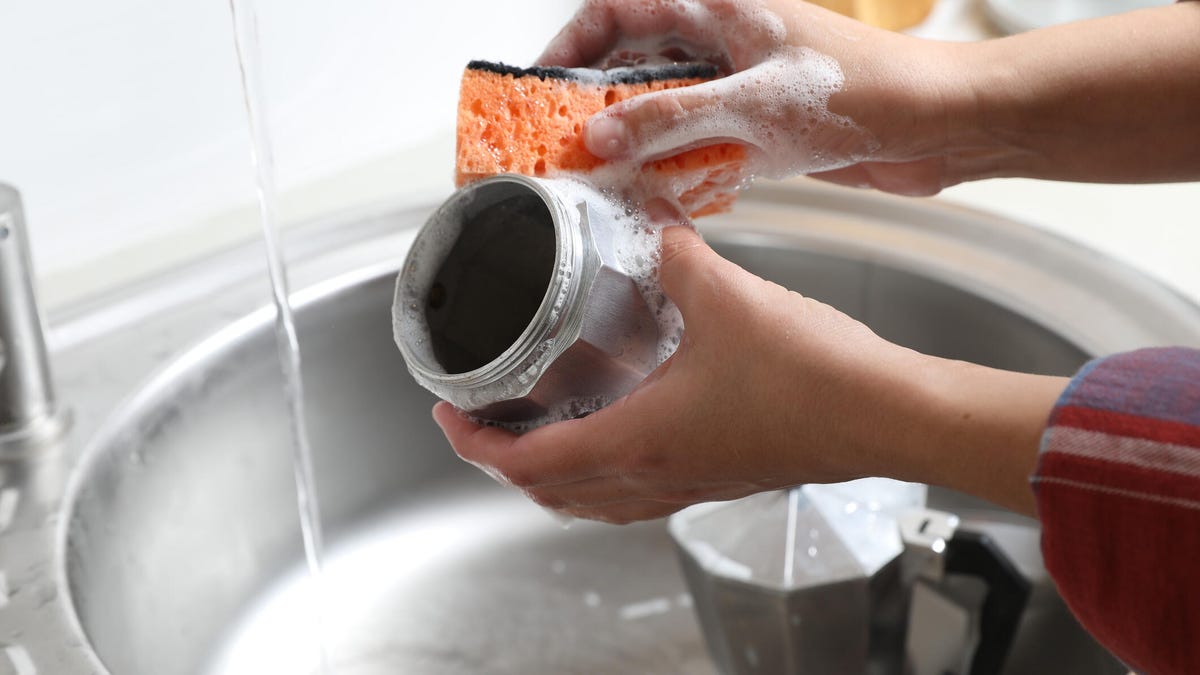
Ditching the soap for your coffee pot and pour-over immersion brewer might seem like dubious advice. In reality, your coffee equipment doesn’t need a scrub down every time you use it. Even small amounts of residue from fragrant dish soap detergent will leave you with a sudsy, subpar pot of coffee.
“It really stays in there; it can mess with the flavor, and so, usually, a good rinse with super hot water is enough for black coffee,” Prabasi said. Oils from the beans may build up over time, so a fragrance-free dish soap comes in handy for the occasional deep clean. A simple rinse with hot water will more than suffice for daily use, however. Save yourself time and avoid any unwanted “soap scum” notes that might interrupt the notes of your single-origin Sidama natural roast.
2. Buying more coffee than you can brew fresh
Buying in bulk can save time and money at the grocery store but can have disappointing results for coffee drinkers. Purchasing smaller quantities of beans will help avoid drinking stale, flat coffee, especially for the average drinker and households with one or two people. Probasi told us that you’ll know coffee has gone stale because it “can taste like a shadow of itself.”
The roaster recommends checking the coffee label for a roast date within one month, ideally within two weeks. (Keep in mind, the “best buy” date is different and isn’t an indicator of freshness.) If you don’t like grinding at home, the roast date should be on the fresher side.
But you needn’t panic about declining flavor like a ticking time bomb in your cupboard. “Every day post-roast doesn’t mean it’s losing freshness, but after two weeks, I’d say it starts to go down,” Prabasi said. Store coffee in an airtight container but avoid the humid fridge with its plethora of smells that can stick to the beans.
3. Adjusting more than one thing at a time
You can find tutorials online recommending brewers, scales, tampers, water filters, grinders and miscellaneous techniques to make the perfect cup. Experimentation is key to crafting your favorite brew but only if you start with the basics. “So just adjust only the water in the beginning,” Prabasi said.
If you don’t have a kitchen scale, the roaster told us the rule of thumb is to start with two tablespoons of ground coffee per cup of water. The finer the grind, the stronger your coffee will taste, so you’ll need to adjust the grounds-to-water ratio accordingly. If that seems too weak or too strong, then adjust by adding more or less coffee at the same grind level.
Beyond the basics, you can get creative. “If your coffee is too sour, it’s maybe that you prefer a dark roast,” Prabasi said. Coffee too bitter? You can adjust the roast type by buying a level down, such as dark to medium or medium to light. “ If you got a coffee from East Africa, maybe try one from South America, you know, like switch [it] around,” she said. Changing one element at once ensures you know which step affected the result for better or worse.
4. Using water straight from the tap
Filling your coffee pot with tap water will yield less-than-ideal flavors. Filtered water, for most of us, will make a big difference in your coffee’s final flavor. Tap water is often full of by-products that can be easily filtered with a home water filtration system.
Almost all of the water you get from the tap in the US is disinfected with low levels of chlorine. The EPA reports that one in five people drink chloramines, a backup disinfectant made of chlorine and ammonia, to kill harmful viruses and bacteria like salmonella. These chemicals make sure we don’t get sick but will alter the taste and smell of tap water. Chloramines are also known to strip lead and copper from pipes, by-products that can affect even the most carefully prepared coffee.
5. Forgetting to stop and smell the coffee
Smell can be a dead giveaway that your coffee has gone stale. Prabasi explains that you should immediately open a bag of beans or ground coffee and smell the roasted coffee scent. Aroma is a key indicator of flavor. No aroma means a serious lack of taste.
Prabasi said stale coffee can taste muddy or flat and lack any complex tasting notes that a bag might list on its label. “ That’s why I think for in the coffee profession, so much of what we do is tasting coffee,” she said. “From the farm to the coffee shop, every step of the way coffee gets tasted or cupped, in our vernacular.”
Old coffee isn’t likely to make you sick, so there’s no need to toss it. You might, however, want to shift from taking your coffee black. Making iced coffee is a simple way to mask the lack of tasting notes. Using an immersion brewer also allows you to steep grounds longer to add a bit more flavor after the coffee has dulled.
6. Ignoring the organic label
The multitude of coffee brands at the grocery store can feel overwhelming. To help sift through the masses, Prabasi explains the organic coffee label is a sign of quality that’s important for coffee.
“If you can, then I think for coffee and tea, organic is really important because coffee and tea crops, especially from large farms, tend to get really over-sprayed,” Prabasi said. Pesticides are sprayed right onto the coffee cherries, and coffee is unlike an apple that you can wash or a banana that you peel before eating. Tea leaves go through a similar process where anything left on the leaves will then be steeped into your mug.
The coffeehouse owner made it clear that she doesn’t believe coffee needs to be expensive to be considered “good.” Great coffee is made for a variety of budgets. “ I think the care that goes into and some reflection on the care that goes into sourcing it, to roasting it or just serving it, I would be looking for those things,” Prabasi said. The organic label is a helpful place to start.
7. Always taking your coffee ‘to go’
Even if you don’t think of coffee as purely a means to an end, many of us treat coffee as simply fuel. Taking coffee in a travel mug for a commute isn’t inherently a problem. Prabasi instead invites coffee drinkers to take advantage of any time and ability to savor a cup of coffee. In contrast to the grab-and-go culture in the US, drinking coffee in Ethiopia is an opportunity to slow down and connect with people you care about. “And I like to say — like, I lived in Ethiopia for eight years — I never heard anybody say, ‘I’m gonna grab a coffee,'” Prabasi said. “It was always, ‘Let’s have coffee. Shall we have coffee?'”
Even taking an extra 10 minutes to drink your brew at a cafe instead of requesting a to-go cup can shift the energy of a frenetic morning. “I think there is lot of ritual around coffee and how one enjoys it,” Prabasi said. Taking the time to create your own ritual, whether at home or at a local shop, can help you savor all that coffee has to offer beyond its caffeine.
For more coffee intel, here’s how to read coffee labels and the best travel mugs of 2026, tested by CNET.
Read the full article here