







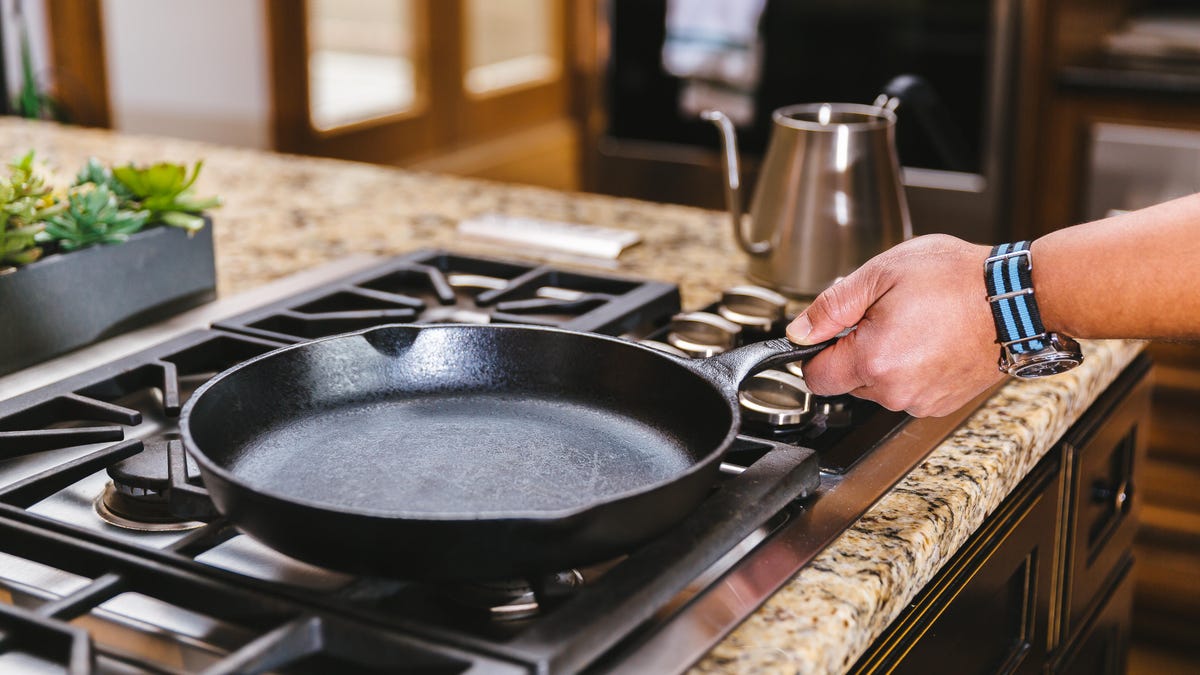
Cast-iron cookware is celebrated for delivering a perfect sear on beef and chicken and for crisping potatoes better than most pans on your rack. It’s also budget-friendly: a 10-inch skillet won’t run you more than $25.
Cast-iron may seem tough on the outside, but under that rugged reputation lies a surprising fragility. The issue isn’t physical. It’s chemical. That slick, hard-won seasoning you’ve spent months nurturing is more pervious than it appears, and some ingredients can trigger reactions that tear right through it.
Highly acidic foods and vinegar-based sauces are the worst offenders — capable of stripping the protective surface bare and leaving your dinner with an unpleasant metallic aftertaste.
To separate fact from kitchen folklore, I spoke with Eric Rowse, a lead chef instructor at the Institute of Culinary Education. Rowse walked me through a few foods that can damage cookware and explained why some common cooking habits can quietly destroy it.
Foods that damage cast-iron cookware
According to Rowse, you can technically cook anything in cast iron — even fish and eggs. Still, some foods react poorly with cast iron if not cooked properly, leading to surface discoloration or a metallic taste.
1. Tomatoes
“Highly acidic foods, such as tomato and tomato-based dishes, can be problematic on raw iron, poorly or underseasoned cast iron,” Rowse says.
“Cooking these foods in neglected cast iron can produce a metallic taste. If the pan is well seasoned and cleaned out after each use, it isn’t a problem.”
To be safe, cook some bacon in your skillet afterward to give the seasoning extra protection. As a bonus, you’ll have bacon on hand. What you don’t want to do is leave the acidic food just sitting in the pan, which can eat away at the seasoning.
2. Vinegar
Vinegar can damage a seasoned cast-iron skillet for the same reason as tomatoes, sending you back to square one. Vinegar-based foods like adobo or Carolina-style barbecue sauce are good examples of acidic foods that shouldn’t sit in a cast-iron pan for long.
If you use vinegar in a recipe and cook it in cast-iron, clean the pan immediately with hot water and salt or a small dash of gentle dish soap.
Read more: Clean Your Cast Iron Skillet Easily With This Common Kitchen Staple
3. Citrus
While there may not be many reasons to put citrus in a cast-iron skillet, certain recipes call for a fair amount of lemon or lime juice. A squeeze of lemon at the end probably won’t destroy your cast-iron pan, but don’t let citrus juice simmer inside of it for long or your precious patina won’t survive the night.
4. Wine-based sauces
Cooking with wine is almost always a good idea. In fact, we have a list of recipes that thrive with a few ounces of red or white. But letting acid-heavy wine braise or simmer in a cast-iron pot or pan for too long could cause the slick patina to erode, leaving you with an unseasoned skillet that food will stick to.
Can you cook eggs in a cast-iron skillet?
While they won’t damage your pan, eggs are tricky to pan-fry without leaving a sticky mess. Cast-iron cookware isn’t as nonstick as chemically coated pans but it’s still a fine candidate for scrambling or frying the morning staple.
“I love cooking eggs in cast iron,” Rowse told us. I have a small 5-inch one that I use for fried eggs. Cast iron can get super hot, but precise control is harder because it retains heat for longer, making it more difficult to make small adjustments to the temperature.”
Can you cook fish in a cast-iron pan?
Likewise, a wide variety of fish are flaky and tend to stick to surfaces if not properly managed. If your cast-iron’s patina isn’t properly slicked or is too hot when the fish goes down, you may scrape half of your halibut from the bottom of the pan.
How to avoid a cast-iron cookware problem
First and foremost, you’ll want to properly season so you can cook even the stickiest foods without worry.
Avoid slow-braising or simmering acidic foods in cast iron for extended periods on the stovetop. When the food is finished cooking, remove it and wash your cast-iron pan immediately with hot water, a drop of dish soap and a sprinkling of kitchen salt for extra stuck-on foods.
And if you’re unsure, opt for an acid-safe piece of cookware, such as an enameled Dutch oven or stainless-steel skillet.
Read the full article here


