

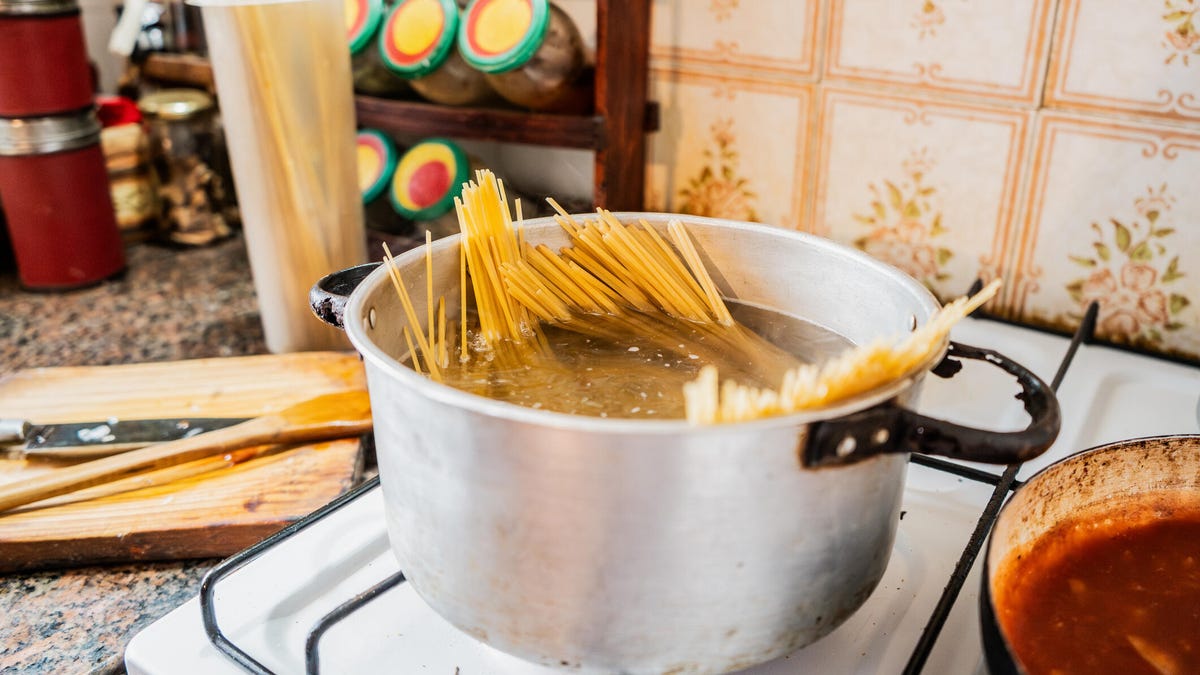
For me, pasta is more of a lifestyle than a food. This go-to lifeline is perfect when you need dinner ready fast, and it’s relatively easy to prepare. But don’t take this agreeable carb for granted; there are plenty of ways to screw it up.
Most of the biggest pasta mistakes stem from myth and misinformation, and we’re committing them daily — right here, on American soil.
If your sauce keeps slipping off the noodles or your cooking water resembles a failed chemistry project, you need a fresh approach. I’m cutting through the confusion to reveal how professionals manage pasta and a pot of boiling water.
I spoke with pasta pro Filippo de Marchi, a chef de cuisine working in Venice, to understand what American home cooks keep botching about the fundamentals and which so-called “pasta hack” techniques need to be left behind.
Here’s what he said.
1. Tossing pasta against a wall to see if it sticks
“This isn’t the best way to check for doneness,” says de Marchi. “The texture of the pasta can change when it hits the wall, and it doesn’t give an accurate indication of whether it’s properly cooked.” Plus, you’re likely to splatter your wall with starchy noodle juice or watch it slide down the wall and behind the stove.
Instead, scoop out a single strand and taste it. You’ll then be able to tell if it’s achieved that perfect al dente texture.
2. Adding precious olive oil to pasta water
According to de Marchi, one of the worst offenses is adding pricey olive oil to pasta water, thinking it will keep noodles from sticking. Olive oil is a necessary addition to most pasta dishes but save it for the plate.
Some folks think it will help keep pasta from sticking when added to boiling pasta water but “the oil just floats on top of the water and doesn’t coat the pasta effectively,” says de Marchi. The best way to prevent sticking is to use plenty of water, stir the pasta regularly during the first few minutes of cooking and ensure you use a pot of the right size for the amount of pasta you’re cooking.
“This way, the pasta has enough space to move around and cook evenly,” he adds.
3. Leaving a pot covered while the pasta is cooking
“Leaving the lid off the pot while the pasta is cooking is the way to go,” advises de Marchi. “This prevents the water from boiling over and helps control the cooking process. Plus, it allows the steam to escape, which helps prevent the water from foaming up and making a starchy mess.”
As recommended, also select a pot that is appropriately sized to ensure your pasta cooks evenly.
4. Adding salt to make the water boil faster
Based on a recent Reddit discussion, many people are unsure whether adding salt to pasta water makes a significant difference. The truth is that salt plays a vital role in pasta water, but not in terms of heat. (Impurities change the boiling point of water, but the amount of salt you add to pasta water doesn’t make a significant difference.) That said, adding salt is essential so the pasta can absorb its flavor.
“If you’re cooking without enough salt, the pasta can end up tasting a bit bland,” warns de Marchi, whose signature dish at NHC Murano Villa is spaghetti alle vongole. The seafood dish originates from the region of ocean-adjacent Venice and consists of vongole (typically clams), garlic, white wine and chili flakes, accompanied by sea asparagus and lemon zest.
5. Draining pasta until it’s dry
There is a reason why salted pasta water is held in such high regard. Not only does it add a delicious brine to enhance sauces, but it also helps the sauce adhere to the pasta.
“This creates a more cohesive and flavorful dish,” de Marchi says. “A little moisture can go a long way in making your pasta dish extra tasty.”
6. Running cooked pasta under water
If you want to avoid a potential injury from a rolling pin or wooden spoon, as Nonna might use, run your cooked pasta under fresh water.
“This can remove the starchy coating that helps the sauce adhere to the pasta,” says de Marchi. “The residual heat from the pasta helps the sauce to marry with the pasta, creating a more flavorful and cohesive dish. Think of it like a beautiful marriage — you want the sauce and the pasta to come together and live happily ever after, not to undergo a cold shower right before serving.”
7. Precooking sheets of lasagna
“Precooking lasagna sheets isn’t necessary, especially if you’re using a sauce with enough moisture,” he says. “In fact, many lasagna recipes call for using the sheets directly without precooking, allowing them to absorb liquid from the sauce and cook during the baking process.”
Set it, forget it and let the magic happen in the oven. Pasta is not something to overthink or stress over. Its simple preparation makes it all the more enjoyable.
Read the full article here