






Is there anything smart home technology can’t do? Well, yes — especially if you make it up. If you’re going to spend your hard-earned money on smart devices, they need to be safe, effective and the real deal. Unfortunately, there are plenty of tech scams out there trying to convince people to buy fraudulent products instead.
These home rackets make enormous promises like cutting your energy bill in half or saving the lives of your kids but they only bring bad news. Here are the most common examples I’ve run across and how you can tell that this technology is fake, no matter how many good ratings it may have.
Plug-in power savers
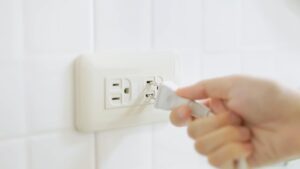
These “miracle” devices are incredibly common — you could buy a pack of them online right now for about $20 (don’t do that). They even feature bold ads claiming that Elon Muck invented the technology and that people can reduce 90% of their electrical bill just by plugging the device into an outlet.
These scam devices tend to throw around a lot of real terms like volt stabilization and power monitoring, techniques used in large commercial applications like industrial factories operating a lot of equipment. But none of those terms apply here. The only thing these devices do is use up more electricity when you plug them in, for nothing in return.
Typically, the power savers include a flashy LED light that turns on to trick people into thinking it’s doing something, along with high-school-level components like a capacitor or, well, nothing. Be careful: These devices often say they make perfect gifts when it’s just the opposite.
Free cable or streaming sticks
These scam devices are also ubiquitous, thanks in part to a flurry of late-night TV ads and other dubious outreach. Sometimes the sticks invent their own name, like TV Smart, along with claims like a genius Swiss inventor created them. Other times, they pretend to be real brands like Amazon’s Fire TV Stick. Either way, they promise users free access to streaming like Netflix, Amazon Prime, YouTube and Hulu.
If it sounds too good to be true, it usually is, and these ads specialize in tricking people with extravagant claims and money-back guarantees. The result is a useless adapter or even a stick that’s loaded with malware, along with a company that can’t be reached.
Always buy streaming sticks and TV set-top boxes from official sources, and be wary of any ad that promises free stuff when most people have to pay for it.
EMF (electromagnetic frequency) neutralizers
You can find dozens of these electromagnetic shielding devices for sale on Amazon and similar places, which can give the illusion that they really work while playing into people’s fears about health safety. They often come with warnings about how your Wi-Fi could be dangerous or your child could be at risk. But these plug-in devices couldn’t be more fake.
First, a small device plugged into a wall outlet couldn’t do anything about EMF if it wanted to (again, there’s often nothing but a light inside these products). There’s no magic shield it could create to make the smallest difference. Second, electromagnetic radiation isn’t inherently bad — a sunny day gives you more of it than your Wi-Fi router ever could. It only becomes dangerous when produced by large commercial equipment or cell towers in high amounts, which is why there are strict FCC regulations on how much EMF radiation that equipment can produce, none of which is making it into your home in the first place.
Unfortunately, it’s very easy to twist scientific studies and listen to influencers, some who even hold medical degrees, who market conspiracy theories about EMF. In this case, it’s all about making a quick buck.
LED light air purifiers
Air quality is a very real metric that makes a difference in comfort and health in your home, which is why CNET recommends air monitoring solutions, from carbon dioxide particles to radon emissions, along with smart air purifiers to help out. But these LED plugs aren’t the real thing.
Real air purifiers use several layers of filters to handle particles of various sizes as well as tackle odors. That means they’re large and require regular filter replacement to work well. Some do use UV (ultraviolet) lights, which have been shown to kill living organisms like bacteria in the air in very high amounts, but only in addition to other primary filtration.
The scammy devices from brands like RGF and “ionization” devices from Air Genie, on the other hand, don’t do anything. LED lights don’t actually produce UV radiation without great effort. In fact, they’re an effective choice if you want less UV light in your home compared to incandescent bulbs. And plug-in lights on a wall or even in your ducts don’t expose particles to effects long enough to have much effect, even if they were pumping out ultraviolet rays and ions like a mini sun.
Are fraudulent devices like these legal?
No, not technically, especially if they use false advertising. But there aren’t many enforcement mechanisms. You can report scam devices to the FTC.
However, investigations and penalties can take time, and even if successful, scam companies can switch names and locations much faster, making it a tricky game of catch-up. That’s why it’s important to know the signs of fake home tech.
To learn more, you can read up on why home hacking tends to be rare, the best ways to prevent burglars and recommendations for gifts that actually work.
Read the full article here


