






I’ve been a Mac user since 2008. When my older cousin helped me set up my first iMac in middle school, I had to take some time to learn my way around the machine.
MacOS felt wildly different compared to the interfaces I was used to, like the Windows Vista PCs in my classroom and local library, as well as my previous computer (an early-2000s HP Compaq desktop that barely worked).
Over the years, I learned about all the Mac keyboard shortcuts, and I’ve found that they make a big difference in my daily workflow. I can copy and paste URLs, recover a tab I accidentally closed, capture screenshots and more — all without taking my hand off the keyboard. It’s become a simple matter of muscle memory.
Maybe you just got a new MacBook Neo, and this is your first time using a Mac. Maybe you’ve been using Apple devices since the days of the G3 iMac or the original Macintosh. Whether you’re a beginner or an expert Mac user, you’ll be sure to find these keyboard shortcuts useful.
And if you think you already know them all, read on: You might be surprised.
Basic Mac keyboard shortcuts
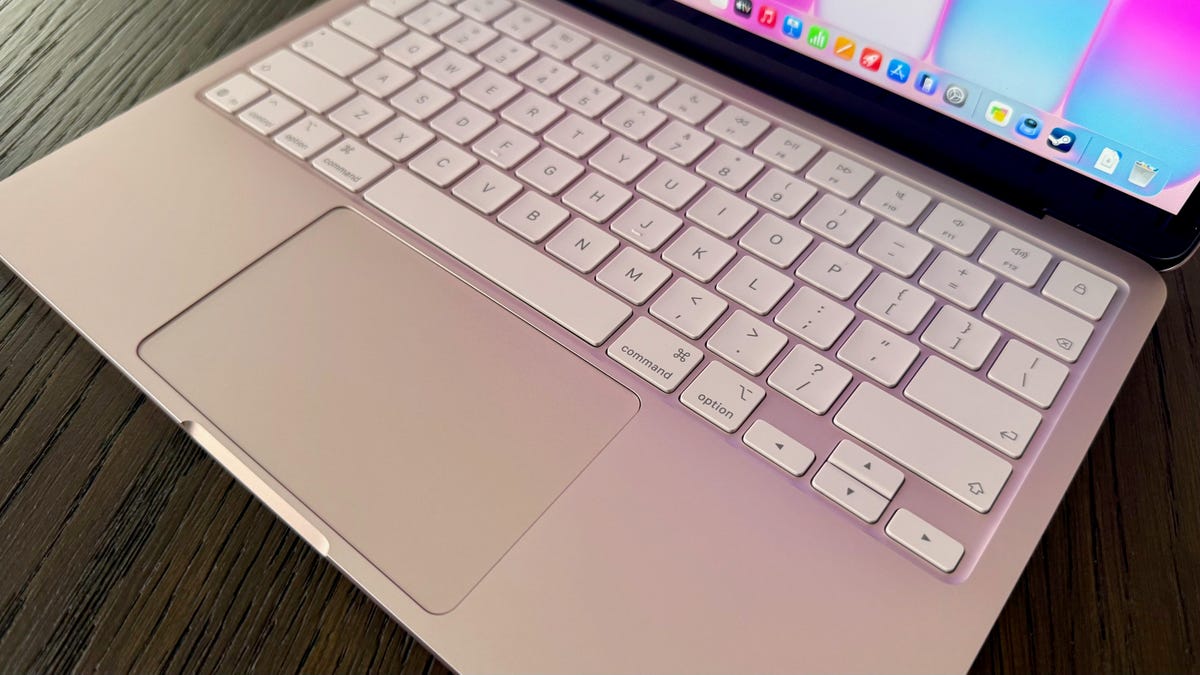
If you’re coming from a PC, your first instinct might be to look for the Control key. However, on a Mac, you’ll typically use the Command key instead of the shortcut key. You can use the Command key on either side of the spacebar–.
- Command + C: Copy the selected/highlighted item or text.
- Command + X: Cut the selected/highlighted item or text.
- Command + V: Paste the selected or highlighted item or text.
- Command + Z: Undo the previous action.
- Shift + Command + Z: Redo the previous action. (This will perform the opposite action of Command + Z.)
- Command + A: Select all items.
Screenshot and video Mac shortcuts
You have a few options for not only capturing screenshots but also recording a video of your screen.
- Command + Shift + 3: Capture a screenshot of the entire screen.
- Command + Shift + 4: Capture the selected portion of your screen. Your pointer will become a crosshair icon, which you can use to click and drag over the area you want to screenshot.
- Command + Shift + 5: See additional options for taking screenshots, such as setting a timer and choosing where you want to save your screenshots. You can also choose to record a video of your entire screen, a selected window or a selected portion of your screen (To end the recording, press Command + Shift + 5 again, and hit the pause button.)
Mac keyboard shortcuts for typing
Need a tilde or an umlaut? Here’s the quickest way to type one out.
- Option + E: Type the acute [´] accent mark.
- Option + I: Type the caret [ˆ] symbol/accent mark.
- Option + N: Type the tilde [˜] accent mark.
- Option + U: Type the umlaut [¨] accent mark.
- Option + O: Type the letter [ø].
Mac keyboard shortcuts for web browsing
These shortcuts will work in Safari, Chrome or your web browser of choice.
- Command + T: Open a new tab.
- Command + W: Close the current tab.
- Command + Q: Close the current application.
- Command + L: Select the address/search bar in your browser. This is useful when you want to search in your current tab without reaching for your mouse or trackpad.
- Command + N: Open a new Finder or browser window.
- Command + Shift + T: Reopen your last closed tab.
- Command + R: Refresh the current page in your browser.
- Command + 1-9: Switch between the tabs of your current browser window.
- Command + ~: Switch between the open windows of your current browser.
- Command + + (plus sign): Zoom in.
- Command + – (minus sign): Zoom out.
While these are some of the most common Mac keyboard shortcuts, this isn’t a complete list. If you’re looking for another shortcut, you can browse the options on Apple’s support website.
Finally, you can customize your shortcuts by going to Settings > Keyboard > Keyboard Shortcuts. Double-click the key combination, then press your preferred keys. Or, if there are any shortcuts that you don’t want to trigger by accident, you can click the checkbox to disable them.
Read the full article here


