

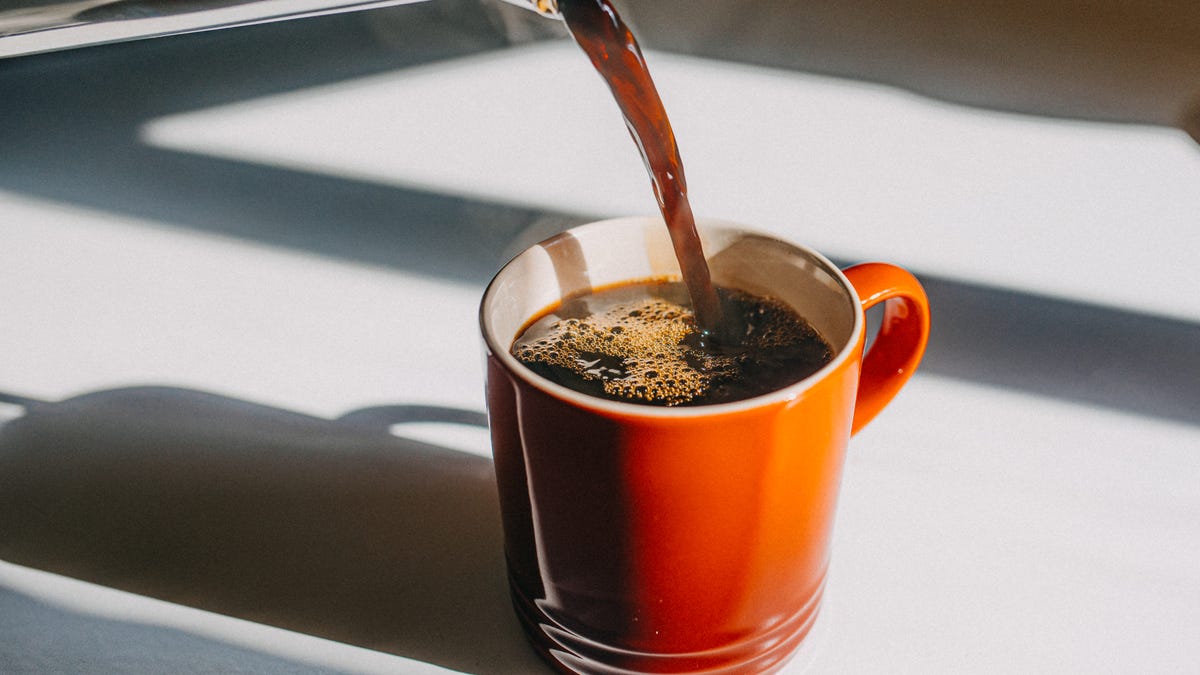
Most of us like to start the day with a warm cup of coffee or green tea for an energy boost. The National Coffee Association estimates that 66% of US adults drink coffee daily. For many people a morning cup of coffee motivates them to roll out of bed.
Caffeine is the most popular psychoactive drug in the world — but unlike other psychoactive drugs, it’s largely unregulated. People who habitually drink beverages with caffeine can develop a dependence on it, both physically and emotionally. That’s why giving it up isn’t easy and if it’s done too quickly, it can be uncomfortable and even painful.
If you’re a regular caffeine drinker, you may experience withdrawal symptoms when you cut back on it. Here’s what you need to know about reducing your caffeine intake, with expert tips for cutting back safely.
How much caffeine should you consume?
Most experts agree that the daily recommended caffeine limit for the average adult is 400 milligrams, which is roughly equivalent to four cups of brewed coffee. However, this recommendation may vary based on factors such as age and health conditions.
According to Gabriella Nowicki, an oncology dietitian at Rebecca Bitzer & Associates, “Age, gender, weight and medical status affect this recommendation. Children under 12 should have no caffeine, while children under 18 should keep their intake lower than 100 milligrams. Pregnant individuals are advised to limit caffeine to under 200 milligrams a day.”
Certain medical conditions may also require people to reduce their caffeine intake. “Those with uncontrolled high blood pressure and heart arrhythmias should limit caffeine. Those living with [irritable bowel syndrome], anxiety, [gastroesophageal reflux disease] and sleep disorders might benefit from reducing overall caffeine consumption,” Nowicki said.
What are the symptoms of caffeine withdrawal?
According to the US Food and Drug Administration, caffeine withdrawal is not typically considered dangerous, unlike withdrawal from other drugs such as alcohol or opioids. However, the side effects of abruptly quitting caffeine can be downright unpleasant. Common withdrawal symptoms include:
- Headaches or migraines
- Fatigue or brain fog
- Difficulty concentrating
- Nausea
- Increased appetite
- Irritability
Tips for cutting back on caffeine
There are effective ways to cut back on your caffeine consumption without experiencing harsh withdrawal side effects. Here are some simple tips to help.
1. Don’t quit cold turkey
The top recommendation is to avoid abruptly stopping your intake — don’t go from 100 to zero. Health experts agree it’s best to wean yourself off by gradually reducing your daily consumption.
“Like anything, start slow. If you regularly consume four cups of coffee daily, cut back to three. If you’re having a hard time cutting down on the volume of coffee, do half-caffeinated,” Nowicki told CNET.
According to the Cleveland Clinic, it’s best to decrease caffeine intake over a few weeks to minimize withdrawal symptoms and make lasting changes to your habit. Try alternating between regular coffee and decaf or cutting back from four cups a day to three, then two, and so on.
2. Stay hydrated
This tip may seem like a no-brainer, but it’s crucial nonetheless: drink water, especially if you’re on the verge of a headache. Prioritize your hydrating habits, as dehydration can lead to symptoms similar to caffeine withdrawal, including headaches and fatigue. To make it easier to shift from a coffee-drinking habit to a water-drinking habit, try having water with each meal and snack, or keep a bottle of water handy to sip on throughout your workday.
Staying hydrated is especially important in the mornings when you would normally grab the coffee mug. We often wake up dehydrated after sleeping because our bodies naturally lose fluids during this time through processes like breathing and sweating. Even if you’re not cutting back on coffee or soda, water should be the first thing you reach for.
Read more: Thirsty? 7 Reasons Why You Should Hydrate More
3. Prioritize sleep
Caffeine helps keep us alert and awake, which is precisely why you should avoid it well before bedtime. Ideally, your caffeine consumption should end at least 10 hours before going to sleep — otherwise, it can affect your sleep-wake cycle, making it harder to fall and stay asleep.
Nowicki recommends having a cutoff time of 12 hours before hitting the hay. If you’re not getting quality rest, you’ll wake up feeling groggy, making that extra cup of coffee all the more tempting.
4. Eat good food
In addition to drinking more water and getting better rest, choosing nutrient-dense foods will make you feel more alert. Certain foods energize us more effectively than others, such as oats, avocados, berries, nuts, seeds and yogurt. Eating these nutrient-rich foods in the morning can give you the boost you need sans caffeine. Additionally, prioritizing complex carbohydrates, such as whole grains and starchy vegetables, over simple carbs can help maintain steadier energy levels throughout the day.
Read more: The Best Energy-Boosting Foods, According to Experts
5. Get some exercise
It may seem counterintuitive, but exercise can naturally boost your energy. Even a quick walk can boost oxygen circulation, stimulate the production of feel-good hormones like serotonin and release chemical endorphins that make us more alert. Regular exercise, in turn, promotes better sleep quality — helping you feel less dependent on your caffeinenated companion. So, the next time you feel a pull toward that soda or fifth cup of coffee, try getting up and moving around instead.
6. Swap with other drinks
“Sometimes we just crave a ritual to drink something other than water. Try herbal teas, mocktails or mushroom coffee to shake up the ritual,” Nowicki suggested.
If you’re a soda drinker, consider substituting it with another cold and fizzy beverage. Prebiotic sodas are popular soft drink alternatives, often containing less caffeine and sugar than their pop counterparts.
“Herbal or spicy tea, like ginger or peppermint, can stimulate the senses. Drinks with B vitamins or magnesium can support natural energy,” Nowicki continued.
Many beverage brands now offer coffee alternatives that can simulate the experience of sipping your aromatic cup of coffee with far less caffeine. One example is Mud/Wtr, which includes ingredients such as cacao, masala chai, functional mushrooms and only 35 milligrams of caffeine.
The following chart shows the average caffeine content for various beverages, according to the US FDA.
Caffeinated beverages compared
| Beverage | Average amount of caffeine per 12 fluid ounces |
|---|---|
| Soda or caffeinated soft drink | 23 to 83 milligrams |
| Coffee (brewed) | 113 to 247 milligrams |
| Coffee (drip) | 140 to 180 milligrams |
| Decaf coffee | 2 to 18 milligrams |
| Green tea | 37 milligrams |
| Black tea | 71 milligrams |
| Energy drink | 41 to 246 milligrams |
| Pre-workout | 150 to 300 milligrams |
It’s important to note that each drink’s caffeine amount varies drastically depending on the brewing method and brand. Energy drinks, especially those marketed as “extra strength,” have a lot more caffeine — for example, 5-Hour Energy has 230 milligrams in one 2-ounce shot. Always read the nutrition labels first if you’re tracking and limiting your caffeine consumption.
What to do if you’re having withdrawal
If it’s too late, and you’re experiencing headache, brain fog, nausea or other symptoms while reading this, Nowicki has some suggestions for alleviating those annoying side effects:
- Take a short nap (around 20 minutes)
- Try smelling coffee if someone has a pot on already
- Get some sunshine and fresh air
- Take a short walk
- Stay well hydrated
Caffeine withdrawal symptoms vary from person to person. They typically begin to appear 12 to 24 hours after your last sip and can last up to a week or longer. If you’re experiencing extreme symptoms that are unmanageable, be sure to consult a healthcare professional.
The bottom line
The limit on caffeine does, indeed, exist. According to Nowicki, if you’re consuming too much caffeine, you may experience side effects such as:
- Gastrointestinal upset (reflux, loose stool or stomach cramping)
- Headaches or migraines
- Poor appetite
- Jitteriness
- Anxiety
The best way to avoid withdrawal symptoms is by reducing your caffeine intake slowly — don’t quit cold turkey. Gradually reduce the amount you drink daily, preferably over a few weeks, and swap out your caffeinated beverages with other healthy alternatives.
Don’t forget to drink lots of water, prioritize sleep and eat a nutrient-rich diet. If you have questions or concerns, consult your primary care provider before making any drastic changes.
Read the full article here