

If you’ve been looking for new lights, you’ve probably consider bright LEDs, which promise big energy savings and a lifespan that lasts years beyond old incandescents. That’s all true — LED bulbs really can save money, and many include smart controls to adjust their color, warmth and schedules.
But we’ve also had frustrating experiences with LED bulbs burning out well ahead of time, which can make those claims of many energy-saving years seem dubious. That’s why I decided to talk to manufacturers and other experts. It turns out LED lights do burn out, but there are specific reasons it happens — and ways you can prevent it. Here’s what I learned.
1. LED life-span ratings are a broad average, not a promise
The numbers you see on the box don’t always work out in real life. LED bulbs do last longer, but those claims about five to 10 years are estimates based on internal testing — and companies are always looking for ways to show their bulbs in, well, the best possible light.
So if the packaging says the bulb lasts seven years, that means testing showed an average of seven years, and you don’t always know the math applied to get that result. Thomas Grable, from the LEDvance product technical team, said that when LED bulb averages fall within a normal distribution chart, about 95% of the values fall within two standard deviations of the mean. That still means some LED lights will experience short lifetimes — and as Grable points out, we’re more likely to remember the lights that flicker and die right away than those that plod on.
Plus, companies may use sneakier language, like “up to seven years,” which means they’re probably doing serious weighting toward the very top performers in their bulb testing, making it more likely you’ll see bulbs fall short.
And don’t forget to check LED bulb details for how the manufacturer is defining a single day of use in these year calculations (if it says). Some companies use a more honest six to eight hours of use for a single day. Others may use just two or three hours of use to greatly inflate their life span.
All that said, Grable reports that incandescent bulbs have an average of about 800 hours, far shorter than the average of most LED bulbs, so you should still be getting your money’s worth unless something goes wrong. That’s where other factors come in.
2. LED drivers overheat and fail
The LED, or light-emitting diode, itself is very unlikely to fail, and if it does, it goes out slowly over the years. Instead, it’s the other electrical bits in LED bulbs that fail and cut off the bulb’s light. LED bulbs use DC power, which requires a converter and drivers to switch from standard AC power in homes.
That means inside every LED bulb are tiny circuit components — and their soldered contact points — which are far more vulnerable than the diode itself. The Lighting Research Center of the Rensselaer Polytechnic Institute reports that research shows the delicate soldered points are most likely to fail in harsh conditions.
Heat, in particular, can cause these components to quickly break, so installing an LED bulb in a hot corner of your home or in a deep-set socket with poor ventilation can cause the lights to go out far sooner than expected.
You can help prevent these issues by looking for LED bulbs with weighty aluminum heat-sink materials, but ultimately, LED bulbs won’t perform the same in high-heat conditions.
3. Your home electrical power may not be clean
In electrical grid terms, clean power is steady and reliable, with very accurate alternating current and few unexpected spikes in amps. But not all electricity is like that. Depending on the electrical infrastructure near your home, your power may be on the dirtier side, with tiny spikes in power and other problems.
LED bulb converters need to manage all those small discrepancies, which can quickly wear them down and cause them to overheat. If you seem to frequently lose bulbs around the home for no good reason, you could have a dirty power supply.
4. Sockets may be old or the installation may be poor
Even if your electricity is clean, a bad installation could yield the same effects as dirty power. Old, dirty sockets won’t transfer electricity as smoothly, creating burnout issues. And screwing in an LED bulb too loosely or too tightly can also create problems. Aim for a firm but gentle installation process in a clean socket for the best results.
5. Your home may have high humidity
Humidity and heat combine to wear down LED electrical components even faster. If you live in a wet area with high moisture content in your indoor air, LED bulbs aren’t as likely to last their full life span. Luckily, CNET has several dehumidifier recommendations to help dry out your home.
6. LED bulbs and old dimmers don’t mix
Many LED bulbs can dim, but that doesn’t mean they play well with older home dimmer switches. As LED installer Torchlight mentions, old dimmers are made to work with high-wattage incandescent bulbs. They don’t really know what to do with low-wattage LEDs, which leads to burnout issues.
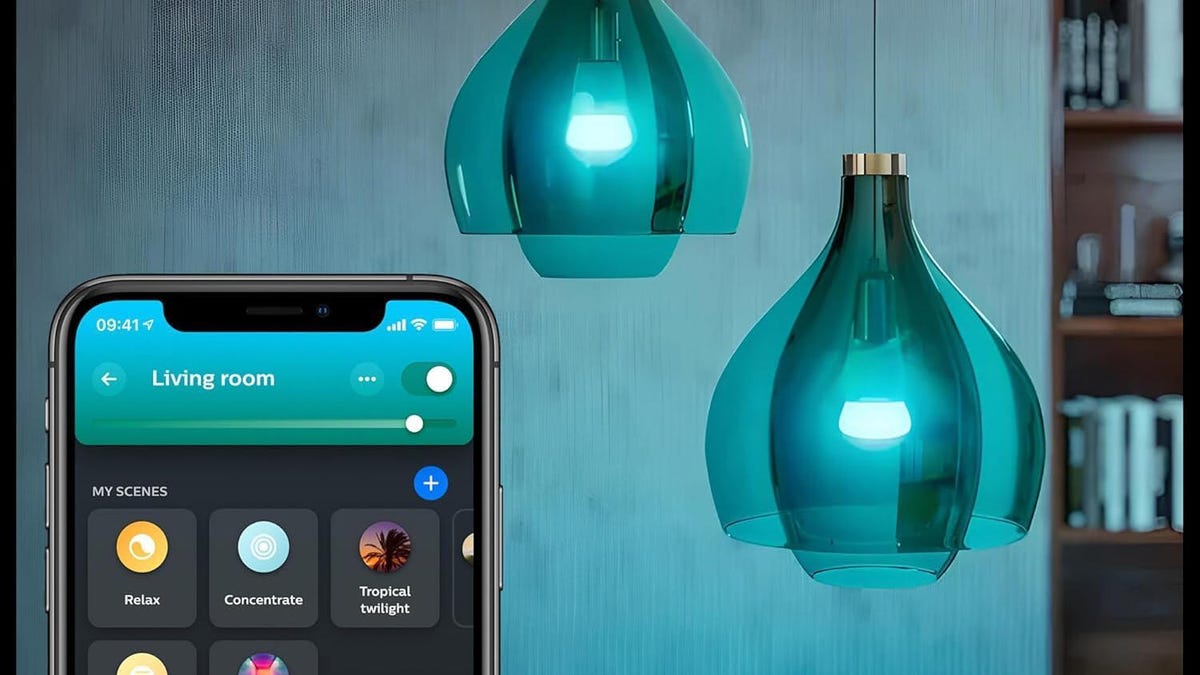
You can either install an LED dimmer switch or — my preferred option — choose a smart LED bulb with self-dimming features you can control via app rather than relying on old-fashioned dimmers.
7. Quality control issues can be a factor
Finally, the manufacturing quality of LED bulbs will affect all the issues I’ve discussed above. Many manufacturers have serviceable diodes, but try to save money on cheap drivers and converters (as well as sloppy assembly techniques), which is a major cause behind early failure.
When picking an LED bulb, it’s best to stick with well-known, reliable brands, even if you have to pay a bit more. For smart bulbs, our testers have found some of the best results from Philips, Wiz, Govee, Nanoleaf and Cree.
You can put LED bulbs in many light fixtures around your home, but not all. Be sure to check the socket compatibility, watts and voltage to verify if a bulb will work with your specific fixture. If using dimmable bulbs, you’ll need to verify compatibility with your lamp or lighting fixture’s dimmer as well.
In particular, many LED bulbs cannot be used in enclosed fixtures. These fixtures trap heat and can create a fire risk if you place an incompatible LED bulb in them. Be sure to choose an LED bulb that’s compatible with enclosed fixtures if you plan to use it in a porch light, globe light or other enclosed fixture.
Read the full article here